Booking your first massage can feel like a big step, especially if you’re not sure what actually happens in the room. What …

Booking your first massage can feel like a big step, especially if you’re not sure what actually happens in the room. What do you wear? What if it hurts? What if you don’t know what to ask for?
These are all normal questions. And the short answer is: it’s simpler and more relaxed than you might expect.
At Centred, the aim is to make the whole experience feel calm, clear and grounded from the moment you arrive. Whether you’re coming for Swedish massage, sports massage, or the Centred Bodywork Method, your session is shaped around you, not a routine.
Here’s what to expect at your first massage appointment with us.
Before you arrive for your first massage appointment
There’s no special preparation required. You don’t need to shave, stretch, or do anything in particular before your appointment. Just arrive as you are.
A few practical points that might help:
Timing. Arrive a few minutes early if it’s your first visit. This gives you time to settle and complete any brief paperwork without feeling rushed.
Eating. A heavy meal immediately before your massage can feel uncomfortable. If you can, eat a light meal a couple of hours before your appointment, rather than arriving on a full stomach.
Clothing. Wear whatever you’re comfortable in. You’ll undress to your comfort level for the treatment itself, so your arrival clothes don’t matter.
Hydration. Being well hydrated is helpful, but there’s no need to overdo it. Normal fluid intake is fine.
A warm welcome and a simple consultation
Your appointment begins with a short conversation. This covers why you’ve booked, how your body feels day to day, and any areas of tension, strain or discomfort you’d like to focus on.
This isn’t a test. There are no wrong answers. It’s simply a chance to understand what your body needs and how best to support you.
You’ll also have the opportunity to share:
- Any injuries, past or present.
- Medical conditions or considerations.
- Medications that might be relevant.
- Preferences around pressure (lighter, firmer, or unsure).
- Any areas you’d prefer not to be worked on.
- Questions or concerns about the process.
Everything is taken at your pace, with clear explanations so you always know what’s happening and why.
If you’re not sure what you need, that’s fine too. Many people book their first massage knowing only that something feels tight, uncomfortable, or not quite right. Part of the consultation is helping you identify what might be useful.
Getting comfortable
After the consultation, you’ll be given privacy to undress to your comfort level and get onto the treatment table. Clear guidance will be provided about positioning and what to expect.
What to wear during the massage. Most people undress to their underwear, but you should only remove what you’re comfortable with. The treatment can be adapted to work with whatever you’re wearing. Your comfort matters more than access to specific areas.
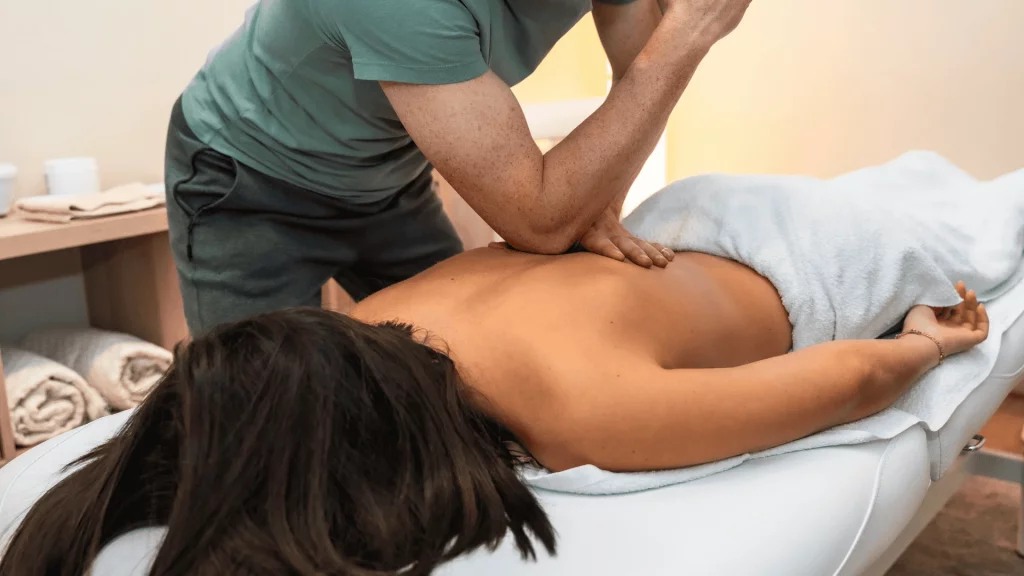
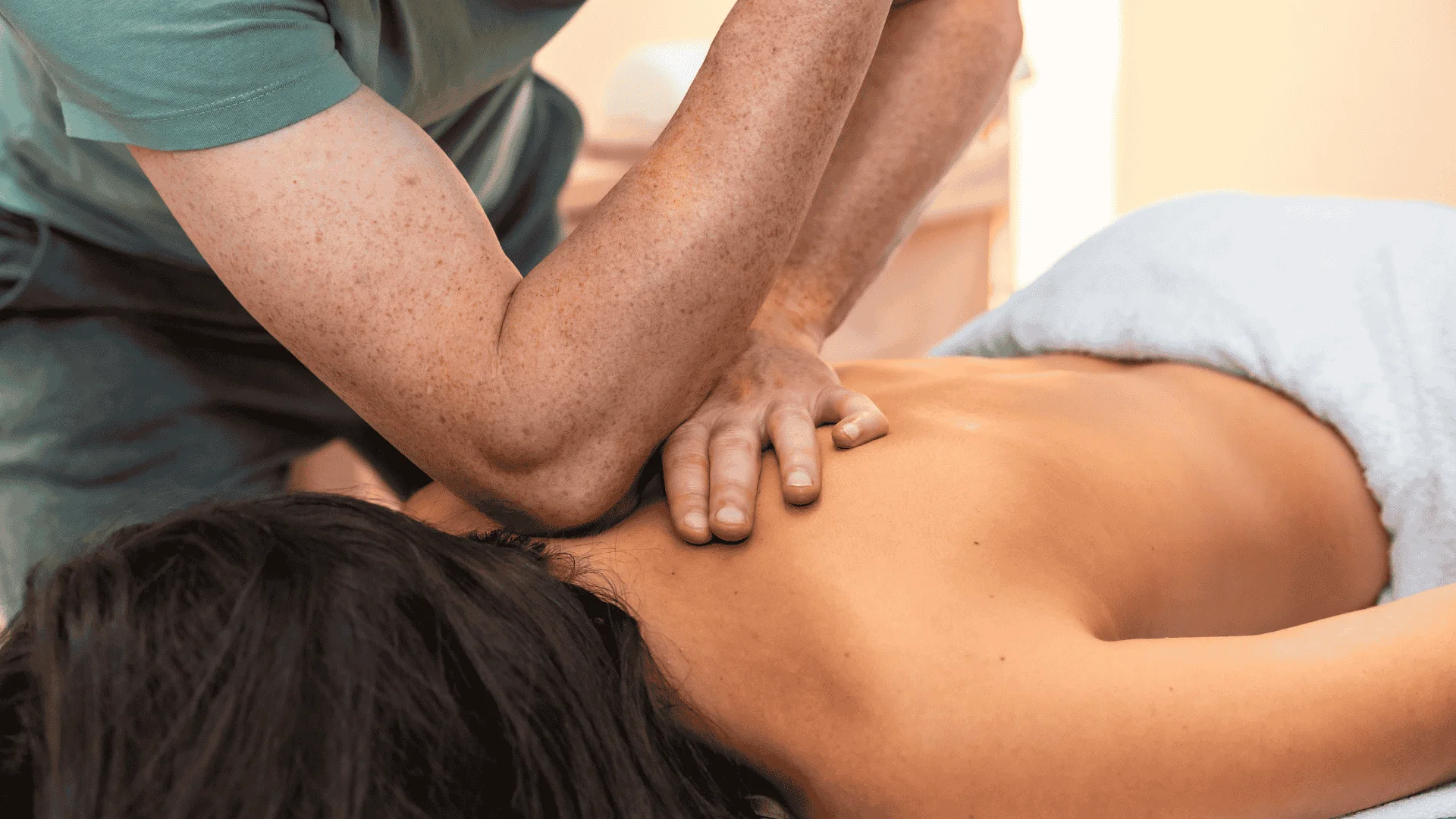
Draping. You’ll be appropriately draped with towels or sheets throughout your massage, with only the area being worked on uncovered at any time. This protects your privacy, helps you feel relaxed and secure, and keeps the treatment focused and professional.
You’re welcome to ask questions, adjust your positioning, or request additional coverage at any point. Your comfort guides the session, not a fixed routine.
The massage treatment itself
Once you’re comfortable on the table, the treatment begins. What happens next depends on your goals and what emerged from the consultation.
Techniques. These are chosen based on what you need, whether that’s easing stress, reducing muscle tension, supporting recovery from work-related strain, or preparing for sport or training. Your therapist will use a combination of approaches tailored to your body.
Pressure. This is always adjustable. What feels right varies from person to person and from area to area. You’re encouraged to speak up if something feels too light, too firm, or uncomfortable in any way. Good communication makes for better treatment.
Responsive work. Rather than following a generic routine, each session responds to your body. Areas of particular tension might receive more attention. Areas that feel fine might be touched on briefly. The treatment adapts as it goes.
Silence or conversation. Some people prefer quiet during their massage. Others like to chat. Both are fine. There’s no expectation either way.
Checking in. Your therapist will check in periodically to ensure pressure and focus are right for you. If something changes, whether you want more or less pressure or attention on a different area, just say so.
Common first-time massage appointment questions
Will it hurt?
Massage shouldn’t be painful, though some techniques can create a “good discomfort” feeling when working on tight areas. This is different from sharp or unpleasant pain. If something doesn’t feel right, say so. Pressure can always be adjusted.
What if I fall asleep?
That’s fine. It happens regularly and is a sign that your nervous system is relaxing. You won’t miss anything important.
What if I feel self-conscious about my body?
Many people do, especially the first time. Massage therapists work with bodies of all shapes, sizes and conditions. The focus is entirely on helping you feel better, not on judging appearance. Draping ensures your privacy throughout.
What if I don’t know what I need?
That’s what the consultation is for. Describe how you feel in your own words, including physical sensations, areas of tension, and activities that cause discomfort. Your therapist will help translate that into a treatment approach.
What if I need to move or adjust position?
Just do it. You don’t need permission to shift, scratch an itch, or ask for a pillow adjustment. Small movements are completely normal.
What if I have questions during the treatment?
Ask them. There’s no expectation of silence unless you prefer it. Questions about what’s being done, why, or what you’re feeling are always welcome.
Professional, safe and evidence-informed care
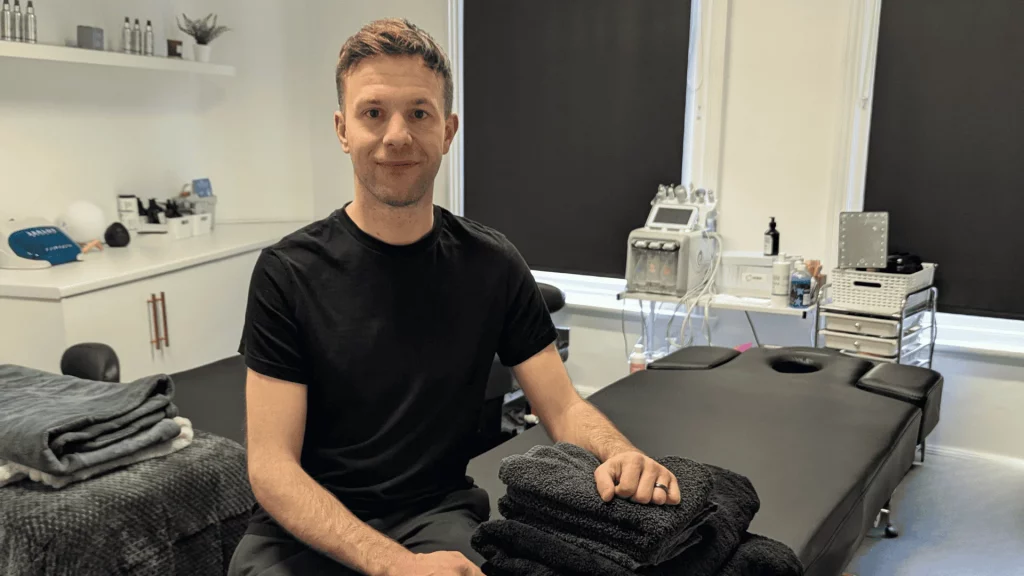
All massage and bodywork at Centred is delivered by Zac, a qualified and fully insured therapist registered with the Federation of Holistic Therapists (FHT) and a member of the Sports Massage Association (SMA).
This means your treatment is grounded in professional standards, ongoing education, and a commitment to safe, accountable practice. Qualifications have been independently verified, professional insurance is in place, and there’s a clear framework of ethics and conduct.
For many people, knowing their therapist is properly qualified and registered provides important reassurance, particularly for a first appointment.
Aftercare and what happens next after your first massage appointment
At the end of your massage therapy session, you’ll be given a few minutes of privacy to get dressed and reorient yourself. There’s no rush.
Before you leave, you’ll receive simple, personalised aftercare guidance. This might include:
- Drinking water to support tissue hydration.
- Gentle movement or stretching to maintain the benefits.
- Things to avoid immediately after (intense exercise, alcohol, hot baths).
- Self-care suggestions for the areas worked on.
- What to expect in the hours and days following.
Some people feel energised after a massage. Others feel deeply relaxed or even a bit tired. Occasional mild soreness in areas of deep work is normal and typically resolves within a day or two. All of this is explained so you know what’s happening.
If ongoing support would be helpful, you can discuss a plan that fits your lifestyle, whether that’s regular maintenance massage, occasional sessions during busy or physically demanding periods, or targeted work leading up to an event.
It's simpler than you think, there's no need to worry
The first massage appointment is often the one that feels the biggest. Once you’ve been through it, you’ll understand the rhythm: arrive, chat briefly, get comfortable, receive treatment, leave feeling better.
Most people find massage far more straightforward than they expected. The hardest part is usually just booking it.
If you’ve been thinking about trying massage but haven’t quite got around to it, this might be the moment. Your body will thank you.
Ready to book your first massage?
Zac offers Swedish massage, sports massage, deep tissue massage and the Centred Bodywork Method at our Hessle practice, serving Hull and East Yorkshire. Evening and weekend appointments are available.
Book your first massage appointment, feel better today!
I’m Zac, Co-founder & Massage Therapist here at Centred. I work with clients seeking massage for a huge number of reasons; the thing they all have in common is that they want to move forward feeling more comfortable in their own bodies.
Category: Physical Health