Boxing places unique demands on the body. The repetitive punching, rotational movements, and high-intensity training create specific patterns of tension and strain …

In a rush? No time to read? No problem! Here’s our summary:
Boxing places unique demands on the body. The repetitive punching, rotational movements, and high-intensity training create specific patterns of tension and strain that benefit from targeted sports massage for boxing.
Research shows that upper limb sprains and strains account for the majority of boxing training injuries, while a 2021 study found that over 52% of elite boxers showed signs of scapular dyskinesis, a shoulder movement dysfunction linked to neck disability and reduced internal rotation.
Sports massage can help address the muscular tension that builds up from training, support recovery between sessions, and help maintain the range of motion needed for effective movement.
At Centred in Hull, we work with boxers at all levels, from those training at local clubs to competitive fighters preparing for bouts. This post explains why boxers benefit from sports massage, which areas of the body need attention, and how to fit massage into your training schedule.
The demands boxing places on your body
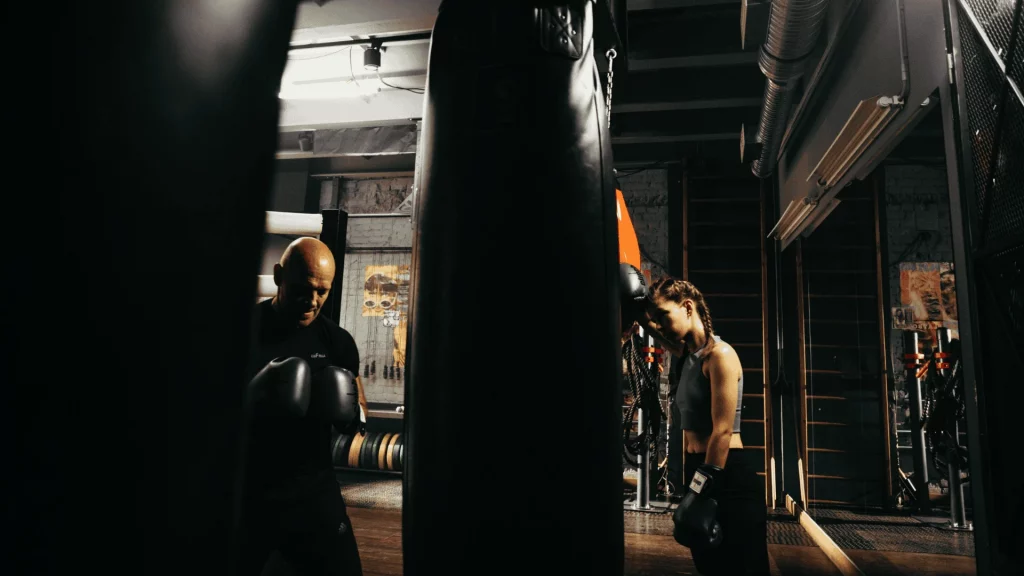
Boxing is one of the most physically demanding sports. Every session challenges your cardiovascular system, tests your muscular endurance, and requires precise coordination under fatigue. But beyond the obvious conditioning demands, boxing creates specific patterns of stress in your muscles and joints that accumulate over time.
Throwing thousands of punches each week places repetitive strain on your shoulders, arms, and upper back.
The rotational power that drives your punches comes from your hips and core, creating tension through your lower back and obliques. Hours spent in your stance tighten your hip flexors. Defensive movements stress your neck and upper trapezius. Even your forearms and hands work constantly, gripping, tensing, and absorbing impact.
Whether you train for fitness, spar regularly at a local club, or compete at an amateur or professional level, these cumulative stresses affect your movement quality, recovery, and injury risk. Sports massage offers a way to manage this load and keep your body functioning well.
What research tells us about boxing injuries
Understanding the injury patterns in boxing helps explain why targeted sports massage for boxing can be valuable.
A 2022 systematic review and meta-analysis published in the Journal of Science and Medicine in Sport examined injury data from amateur boxing. The researchers found that while head and neck injuries dominate during competition (accounting for around 72% of injuries), the picture is different in training. In the training environment, upper-limb injuries were the most common, with sprains and strains accounting for 60% of injuries.
A 2025 US study examining boxing-related upper extremity injuries found that the hand (48.3%), wrist (18.9%), and shoulder (14.2%) were the most commonly affected areas. This pattern reflects the repetitive stress that boxing places on the arm and shoulder complex.
Research specifically examining elite boxers has revealed concerning patterns of shoulder dysfunction. A 2021 study published in the International Journal of Environmental Research and Public Health found that 52.7% of elite boxers showed signs of scapular dyskinesis, an abnormal movement pattern of the shoulder blade. Boxers with this condition showed increased neck disability, reduced internal rotation range of motion, and shortened pectoralis minor muscles. The researchers recommended monitoring scapular function in boxers to help prevent shoulder and neck injuries.
These findings point to clear areas where maintenance work, including sports massage, can help: the shoulders, upper back, chest, forearms, and the muscles that support rotational movement.
Key areas that need attention in boxers
Shoulders and rotator cuff
Your shoulders work constantly in boxing. Every jab, cross, hook, and uppercut requires the rotator cuff muscles to stabilise the shoulder joint while the larger muscles generate power. The repetitive nature of punching creates cumulative stress on these structures.
The rotator cuff is particularly vulnerable to overuse injuries in athletes who perform repetitive overhead or throwing motions. While boxing is not technically an overhead sport, the mechanics of punching place similar demands on the shoulder complex. Missed punches, in which the arm extends without meeting resistance, can be especially stressful because the muscles must decelerate the arm rapidly.
Sports massage for boxing can help maintain healthy tissue quality in the rotator cuff muscles (supraspinatus, infraspinatus, teres minor, and subscapularis), the deltoids, and the surrounding musculature. Regular work on these areas helps maintain range of motion and can identify developing tension before it becomes problematic.
Upper back and scapular region
The scapular stabilisers, the muscles that control your shoulder blade movement, are essential for healthy shoulder function. As the research on scapular dyskinesis shows, these muscles are often compromised in boxers.
The rhomboids, middle and lower trapezius, and serratus anterior all play crucial roles in maintaining proper scapular position and movement. When these muscles become weak or inhibited, and the pectoralis minor becomes shortened (as seen in the elite boxer study), shoulder mechanics change in ways that increase injury risk.
Massage work on the upper back helps release tension in the trapezius and rhomboids, while work on the chest and anterior shoulder can help address pectoralis minor tightness.
Chest and anterior shoulder
The pectoralis major and minor muscles work hard in boxing, both in generating punching power and in the guarded posture that boxers naturally adopt. Over time, this can lead to shortened, tight chest muscles that pull the shoulders forward and contribute to the postural changes seen in many fighters.
Research showing shortened pectoralis minor length in boxers with scapular dyskinesis underscores the importance of maintaining flexibility in these muscles. Sports massage targeting the chest and anterior shoulder can help counteract this adaptive shortening.
Forearms and hands
Your forearms contain over 20 muscles that control grip, wrist movement, and finger function. In boxing, these muscles are under constant demand. The flexors on the palm side of your forearm work to maintain your fist. The extensors on the back help stabilise your wrist on impact. The repetitive gripping and impact absorption create significant tension in these muscle groups.
Given that hand and wrist injuries account for such a large proportion of boxing injuries, maintaining healthy forearm tissue is important. Massage work on the forearm flexors and extensors can help manage the tension that builds from training and may help reduce strain on the tendons and joints of the wrist and hand.
Neck and upper trapezius
The neck muscles work hard in boxing, both in defensive movements and in absorbing the forces transferred through the body during sparring. The research showing increased neck disability scores in boxers with scapular dyskinesis suggests a connection between shoulder dysfunction and neck problems.
The upper trapezius and levator scapulae commonly hold tension in boxers. Regular massage work on these areas can help manage this tension and maintain comfortable neck mobility.
Hips, lower back, and core
Punching power comes from the ground up. The rotation that drives your punches originates in your hips and transfers through your core. This repeated rotational movement creates stress through the obliques, quadratus lumborum, and the muscles around the lumbar spine.
Research has identified combat sports, including boxing, as having a strong association with back pain. The hip flexors, particularly the iliopsoas, also tighten from the time spent in a boxing stance. Tight hip flexors can affect lumbar spine position and contribute to lower back discomfort.
Massage work on the lower back, hip flexors, and gluteal muscles can help maintain the mobility needed for effective rotational movement and comfortable stance work.
How sports massage for boxing fits into your training
The timing and purpose of massage can vary depending on where you are in your training cycle.
Regular maintenance
For most boxers, consistent training and regular maintenance massage help manage the cumulative stress of training. This might mean a session every two to four weeks, depending on your training volume and how your body responds. The focus is on maintaining tissue quality, addressing developing tension before it becomes problematic, and supporting recovery between training sessions.
A 2023 systematic review examining the effects of massage on sport and exercise performance found that massage treatment led to decreases in depression, stress, and anxiety, and an improved perception of fatigue, alongside increases in mood and relaxation, and a better perception of recovery. For boxers managing heavy training loads, these psychological benefits can be as valuable as the physical effects.
Pre-fight preparation
If you compete, massage can be part of your fight preparation. In the weeks leading up to a bout, the focus shifts to ensuring you are moving well and that any accumulated tension is addressed. Most fighters avoid deep tissue work in the final days before competition, as the muscles need time to recover from intensive massage. A lighter session a few days out can help with relaxation and readiness without causing any residual soreness.
Post-fight recovery
After competition, massage can support recovery by addressing the muscle soreness and tension that accumulate from the fight itself and the intense training camp that preceded it. The timing depends on how you feel physically. Some fighters benefit from massage within a day or two of competing; others prefer to wait until acute soreness has settled.
Supporting your recovery at home
While professional massage is valuable, there are strategies you can use between sessions to support your body.
Foam rolling: Self-myofascial release with a foam roller can help maintain tissue quality between massage sessions. Focus on your upper back, lats, and hip flexors. Be cautious with the lower back, as direct rolling on the lumbar spine is not recommended.
Stretching: Regular stretching of the chest, hip flexors, and forearms can help counteract the adaptive shortening that occurs with boxing training. Research suggests that hip flexor stretching of up to 120 seconds can have positive effects on balance and performance without the negative effects sometimes seen with stretching other muscle groups.
Sleep: Quality sleep is when much of your recovery occurs. Aim for seven to nine hours per night, particularly during heavy training periods.
Active recovery: Light movement on rest days, such as walking or easy swimming, can help maintain blood flow and reduce stiffness without adding training stress.
Contrast water therapy: Alternating between warm and cold water can support recovery, particularly after intense sessions. A simple version is finishing your shower with 30 seconds of cold water.
What to expect from a sports massage session
If you book a sports massage for boxing at Centred, here is what you can expect:
Before the session: We will discuss your training, any areas of concern, and what you are hoping to achieve. If you have a fight coming up, let us know so we can adjust the approach accordingly.
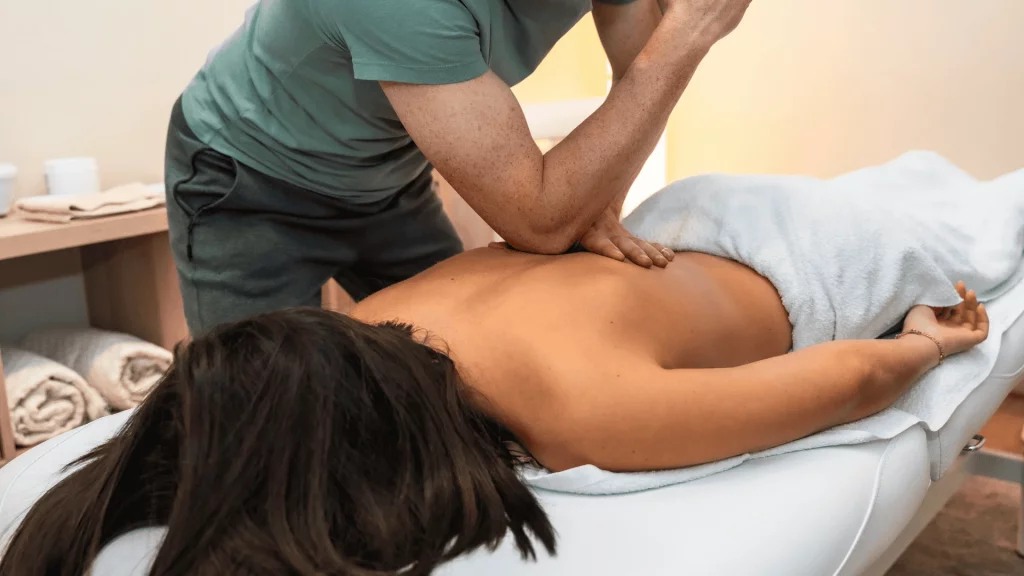
During the session: We use a combination of techniques tailored to your needs. For boxers, this typically includes work on the shoulders, upper back, chest, forearms, and hips. We adjust pressure based on what your tissues need and check in with you throughout.
After the session: Many people feel immediate improvements in range of motion and a reduction in muscular tension. Some mild soreness in the hours following is normal, particularly after deeper work. We recommend staying hydrated and avoiding intense training for the rest of the day.
We offer 60-minute and 90-minute massage sessions. For targeted work on specific problem areas, 60 minutes is often sufficient. For comprehensive work across multiple areas, 90 minutes allows for a more thorough treatment.
Frequently asked questions
How often should boxers get a sports massage for boxing?
This depends on your training volume and how your body responds. Most boxers training regularly benefit from massage every two to four weeks. During intense training camps or when preparing for competition, more frequent sessions may be helpful.
Can I get a massage close to a fight?
Yes, but the approach changes. Deep tissue work should be avoided in the final three to four days before competition, as your muscles need time to recover. A lighter maintenance session a few days out can help with relaxation without causing residual soreness.
Which areas do you focus on for boxers?
Key areas include the shoulders and rotator cuff, upper back and scapular region, chest and anterior shoulder, forearms and hands, neck and upper trapezius, and hips and lower back. We tailor the session based on your specific needs and any areas of concern.
Will sports massage help prevent injuries?
Maintaining healthy tissue quality and a good range of motion can help reduce injury risk. Massage allows us to identify developing tension and address it before it becomes problematic. However, proper training technique, adequate rest, and sensible programming remain the foundations of injury prevention.
I only do boxing for fitness, not competition. Is massage still relevant?
Absolutely. The physical demands of boxing training create the same patterns of muscular tension whether you compete or not. If you are training regularly, your body will benefit from a maintenance massage.
What about other combat sports like kickboxing or MMA?
Many of the same principles apply to other combat sports, though the specific demands vary. Kickboxing and Muay Thai involve additional stress on the legs from kicking, while MMA adds grappling demands. We can discuss your specific sport and training when you book.
Should I get a massage on my rest days or training days?
Rest days are generally preferable for maintenance massage, as you will have time to recover and will not be adding training stress on top of the treatment. If scheduling requires a training day, try to have the massage after your session rather than before.
How long should a session be?
For targeted work on specific areas, 60 minutes is usually sufficient. For more comprehensive treatment covering shoulders, back, chest, forearms, and hips, 90 minutes allows thorough work without rushing.
Do you work with boxers from local clubs?
Yes. We work with boxers training at clubs across Hull and East Yorkshire, from beginners to competitive fighters. Whether you train for fitness or competition, we can help support your training.
Where can I get a sports massage for boxing in Hull?
At Centred, we offer sports massage at our Hessle practice. We have experience working with combat sports athletes and understand the specific demands boxing places on the body.
Add Your Heading Text Here
Boxing demands a lot from your body. The repetitive punching, rotational movements, and high-intensity conditioning create specific stress patterns that accumulate over time.
Managing this load is essential for training consistently, performing well, and staying healthy.
Sports massage offers a practical way to address the muscular tension that builds from boxing training. Combined with good sleep, sensible programming, and attention to recovery, it can help you keep training at your best.
If you train in Hull or the surrounding areas and are looking for sports massage to support your boxing, we would be glad to help.
About Centred
Centred is a therapeutic and wellbeing practice based in Hessle, East Yorkshire. We offer massage therapy, somatic bodywork, and breathwork, with counselling, psychotherapy, and coaching launching soon. Our integrated approach supports both body and mind, helping you work through tension, stress, and pain in a way that fits your life.
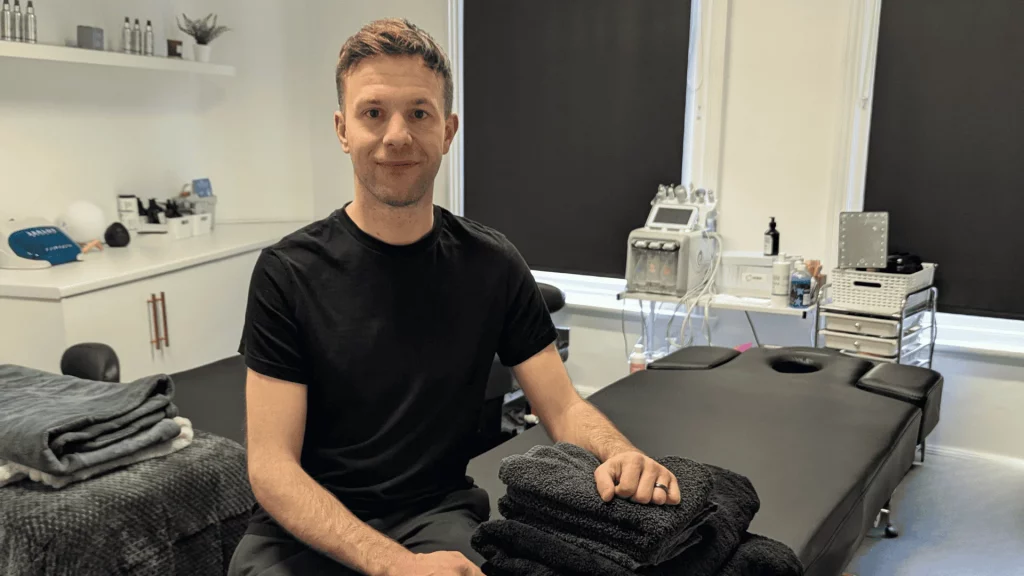
Zac Botham is an ITEC-qualified, FHT-registered Massage Therapist and SMA member, offering sports massage, deep tissue massage, Swedish massage, and the Centred Bodywork Method. Ben Campbell is a UKCP-registered Psychotherapist, Counsellor, and Coach specialising in integrative transactional analysis.
Ready to book?
If you would like to support your training and recovery with sports massage for boxing, you can book directly through our website or get in touch to discuss your needs. We offer 60-minute and 90-minute sessions to suit different requirements.
References
Dakić, M., Toskić, L., Ilić, V., Đurić, S., Dopsaj, M. and Šimenko, J. (2023). The Effects of Massage Therapy on Sport and Exercise Performance: A Systematic Review. Sports, [online] 11(6), p.110. doi:10.3390/sports11060110.
Jung, J.W. and Kim, Y.K. (2021). Scapular Dyskinesis in Elite Boxers with Neck Disability and Shoulder Malfunction. Medicina, [online] 57(12), p.1347. doi:10.3390/medicina57121347.
Konrad, A., Močnik, R., Titze, S., Nakamura, M. and Tilp, M. (2021). The Influence of Stretching the Hip Flexor Muscles on Performance Parameters. A Systematic Review with Meta-Analysis. International Journal of Environmental Research and Public Health, [online] 18(4), p.1936. doi:10.3390/ijerph18041936.
Giannatos, V., Panagopoulos, A., Antzoulas, P., I. Giakoumakis, S., Lakoumentas, J. and Kouzelis, A. (2022). Functional performance of the upper limb and the most common boxing-related injuries in male boxers: a retrospective, observational, comparative study with non-boxing population. BMC Sports Science, Medicine and Rehabilitation, [online] 14(1). doi:10.1186/s13102-022-00558-3.
Alevras, A.J., Fuller, J.T., Mitchell, R. and Lystad, R.P. (2022). Epidemiology of injuries in amateur boxing: A systematic review and meta-analysis. Journal of Science and Medicine in Sport, [online] 25(12), pp.995–1001. doi:10.1016/j.jsams.2022.09.165.
Weerapong, P., Hume, P.A. and Kolt, G.S. (2005). The Mechanisms of Massage and Effects on Performance, Muscle Recovery and Injury Prevention. Sports Medicine, [online] 35(3), pp.235–256. doi:10.2165/00007256-200535030-00004.
Category: Physical Health