Fibromyalgia affects millions of people, yet it remains one of the most misunderstood chronic pain conditions. If you live with fibromyalgia, you …


Fibromyalgia affects millions of people, yet it remains one of the most misunderstood chronic pain conditions. If you live with fibromyalgia, you already know the reality: widespread pain that never quite goes away, fatigue that sleep doesn’t fix, and the frustration of symptoms that others cannot see.
You may also know that conventional treatments often fall short. Medications help some people some of the time, but rarely offer complete relief. Exercise is consistently recommended, yet feels impossible on the hardest days.
This is why so many people with fibromyalgia turn to massage therapy. Research suggests that up to 75 per cent of fibromyalgia patients use massage as part of their management strategy. But does it actually work? And if so, how?
This guide examines what current research tells us about massage for fibromyalgia, explains why certain approaches appear particularly effective, and offers practical guidance for anyone considering massage for fibromyalgia in Hull as part of their symptom management.
Understanding fibromyalgia: why conventional approaches often struggle
Before exploring how massage therapy might help, it’s worth understanding what fibromyalgia actually involves. This context helps explain why bodywork can be valuable where other treatments fall short.
What is fibromyalgia?
Fibromyalgia is a chronic condition characterised by widespread musculoskeletal pain, fatigue, sleep disturbances, and cognitive difficulties often called “fibro fog.” It affects an estimated 5.4 per cent of the UK population, meaning around 2 to 3 million people in Britain live with this condition. Women are significantly more likely to be affected, accounting for 80 to 90 per cent of diagnoses.
The symptoms extend well beyond pain. Most people with fibromyalgia experience a constellation of related difficulties: profound fatigue that doesn’t improve with rest, unrefreshing sleep, heightened sensitivity to touch, temperature, and sound, and problems with memory and concentration. Many also experience co-occurring conditions, including irritable bowel syndrome, chronic headaches, and temporomandibular joint dysfunction.
Central sensitisation: why fibromyalgia pain feels different
Research over the past two decades has fundamentally changed how we understand fibromyalgia. Rather than a condition of the muscles or joints, fibromyalgia is now recognised as a disorder of central nervous system pain processing.
The key mechanism is called central sensitisation. In simple terms, the nervous system becomes hypersensitive, amplifying pain signals and interpreting normal sensations as painful. The brain and spinal cord undergo structural, functional, and chemical changes that alter how they process sensory information.
This explains several distinctive features of fibromyalgia. People with the condition often experience allodynia, where non-painful stimuli like light touch or gentle pressure become painful, and hyperalgesia, where mildly painful stimuli cause intense pain. The pain tends to be widespread precisely because the amplification occurs in the central nervous system rather than at specific peripheral sites.
Understanding central sensitisation helps explain why treatments targeting peripheral pain often fail to deliver. If the problem lies in how the nervous system processes signals, addressing only the periphery misses the core issue.
The fibromyalgia treatment challenge
Current NHS fibromyalgia guidance acknowledges that no single treatment works for all fibromyalgia symptoms or all patients. The recommended approaches are exercise, talking therapies such as cognitive behavioural therapy, and medication, typically antidepressants or anticonvulsants that influence central nervous system function.
Many people find these treatments helpful but insufficient. Exercise is strongly supported by evidence, but can be difficult to initiate when pain and fatigue are severe. Psychological therapies help many people manage their symptoms better, but require time and consistent engagement. Medications work for some but often cause side effects and rarely provide complete relief.
This reality drives the search for complementary approaches. And among complementary therapies, massage therapy has one of the strongest evidence bases for fibromyalgia symptom management.
What the research says: massage for fibromyalgia
Multiple systematic reviews and meta-analyses have examined massage therapy for fibromyalgia. The findings are encouraging, though nuanced.
Evidence for fibromyalgia pain reduction
A systematic review and meta-analysis published in PLOS One examined nine randomised controlled trials involving 404 fibromyalgia patients. The analysis found that massage therapy lasting five weeks or longer significantly improved pain, with a moderate effect size. This means the improvement was not just statistically significant but clinically meaningful, representing a noticeable difference in how people felt.
The same review found no significant effect from shorter courses of massage therapy, suggesting that sustained treatment is necessary to achieve meaningful benefits.
A separate meta-analysis focusing specifically on myofascial release, a form of soft tissue work targeting the connective tissue, found large positive effects on pain compared to placebo. This technique, which involves sustained pressure and stretching of the fascial system, showed particularly promising results.
Effects on anxiety and depression
Fibromyalgia commonly co-occurs with anxiety and depression. The relationship is bidirectional: chronic pain contributes to psychological distress, while anxiety and depression can intensify pain perception through central sensitisation mechanisms.
Research consistently shows that massage therapy reduces anxiety and depression in fibromyalgia patients. The PLOS One meta-analysis found significant improvements in both anxiety and depression following massage therapy of five weeks or longer. A randomised controlled trial of 74 fibromyalgia patients found that a 20-week massage-myofascial release programme significantly improved anxiety compared to placebo, with benefits persisting at one-month follow-up.
These psychological benefits matter beyond their direct value. Reducing anxiety and depression may help break the cycle where psychological distress amplifies pain perception, potentially creating a positive feedback loop.
Sleep quality improvements
Sleep disturbance is central to fibromyalgia. Research suggests that around 90 per cent of people with the condition experience problematic sleep, including difficulty falling asleep, frequent waking, and unrefreshing sleep, even after an adequate duration.
Studies have found that massage therapy can improve sleep quality in patients with fibromyalgia. The randomised controlled trial mentioned earlier found significant improvements in sleep quality indices following massage and myofascial release therapy. Interestingly, at six months post-treatment, improved sleep quality was the only benefit that remained statistically significant, suggesting massage may have particularly durable effects on sleep.
The mechanism likely involves both direct relaxation effects and neurochemical changes. Massage has been shown to increase serotonin levels, and serotonin is a precursor to melatonin, the hormone regulating sleep cycles.
Biochemical changes
Beyond subjective symptom reports, research has identified measurable biochemical changes following massage therapy. A review of over 30 studies on massage biochemistry found consistent patterns: cortisol levels decreased by an average of 31 per cent, while serotonin and dopamine increased by an average of 28 and 31 per cent, respectively.
These changes are directly relevant to fibromyalgia. Cortisol is the body’s primary stress hormone, and chronically elevated cortisol contributes to pain sensitisation, sleep disruption, and immune dysfunction. Serotonin is involved in mood regulation, pain modulation, and sleep. Dopamine affects motivation, pleasure, and attention, areas commonly impaired in fibromyalgia.
Research specifically on fibromyalgia patients found that massage therapy led to lower cortisol levels immediately after sessions on both the first and last days of a five-week study period. The same study found improvements in the dolorimeter measure of pain, a quantitative assessment of pain threshold at tender points.
What the research doesn't tell us about massage for fibromyalgia
While the evidence is encouraging, important limitations exist. Most studies have relatively small sample sizes. Long-term follow-up data are limited, making it difficult to know how long benefits persist after treatment ends. The optimal type, frequency, and duration of massage therapy remain unclear.
The NHS acknowledges that complementary therapies like massage lack robust long-term evidence but notes that many people find them helpful for relaxation and stress management, which in turn helps them cope better with their condition.
This is an honest assessment. Massage therapy should not be presented as a cure or a replacement for other evidence-based treatments. But the available research supports it as a valuable component of comprehensive fibromyalgia management.
Why massage may work: mechanisms relevant to fibromyalgia
Understanding why massage might help fibromyalgia involves connecting what we know about the condition with what happens during massage therapy.
Addressing central sensitisation through peripheral input
This may sound counterintuitive. If fibromyalgia involves central nervous system dysfunction, why would a peripheral treatment like massage help?
The answer lies in the bidirectional nature of pain processing. While central sensitisation amplifies incoming signals, the brain also modulates how peripheral information is processed. A pleasant, non-threatening touch can activate descending pain-inhibition pathways, essentially telling the nervous system that the current input is safe and doesn’t require heightened vigilance.
Research has shown that moderate pressure massage, rather than light touch, is necessary to achieve significant effects. This may relate to stimulation of pressure receptors and activation of specific neural pathways that influence central processing.
Reducing the stress response
Chronic pain is inherently stressful, and stress exacerbates chronic pain. This creates a vicious cycle where pain triggers stress responses, which in turn lower pain thresholds and increase muscle tension, leading to more pain.
Massage therapy directly addresses this cycle. The documented decreases in cortisol and increases in parasympathetic nervous system activity represent a shift from stress state to rest state. For people with fibromyalgia whose systems may be stuck in chronic hypervigilance, this shift can be particularly valuable.
The vagus nerve, which runs from the brain through the face and thorax to the abdomen, plays a central role. Massage has been shown to increase vagal activity, which is associated with lower heart rate, reduced blood pressure, decreased cortisol, and improved emotional regulation.
Working with fascia and connective tissue
Myofascial release, the technique showing the strongest evidence for fibromyalgia, specifically targets the fascia, the connective tissue network that surrounds and connects muscles, bones, and organs throughout the body.
In fibromyalgia, the fascia may develop restrictions and adhesions that contribute to stiffness, reduced range of motion, and pain. Some researchers have proposed that fascial changes may even play a role in the widespread pain distribution characteristic of fibromyalgia.
Myofascial release involves sustained pressure and gentle stretching that aims to release these restrictions. The tissue changes that occur may help reduce peripheral pain generators, which in turn reduces the input driving central sensitisation.
Improving sleep through multiple pathways
The sleep benefits of massage likely operate through several mechanisms. Direct relaxation effects make it easier to transition into sleep. Reducing pain and anxiety removes barriers to sleep. Increased serotonin provides the substrate for melatonin production. And the overall shift toward parasympathetic dominance supports the physiological state necessary for restorative sleep.
Given the central role of sleep disturbance in fibromyalgia, including evidence that poor sleep directly increases pain sensitivity, addressing sleep may create benefits that extend well beyond the sleep itself.
Types of massage therapy: which approaches help fibromyalgia?
Not all massage is equally appropriate or effective for fibromyalgia. Research and clinical experience suggest some approaches work better than others.
Myofascial release for fibromyalgia
The research evidence most strongly supports myofascial release for fibromyalgia. Meta-analyses have found large effect sizes for pain reduction and moderate effects on anxiety and depression.
Myofascial release differs from traditional massage in its focus on the fascial system rather than individual muscles. Techniques involve sustained pressure applied to areas of restriction, held until the tissue releases and elongates. The pace is typically slow and the pressure sustained rather than rhythmic.
For fibromyalgia patients, myofascial release may be particularly appropriate because it can be performed at pressure levels that are firm enough to be effective but gentle enough to avoid triggering the heightened pain response that characterises the condition.
Deep tissue massage for fibromyalgia
Deep tissue massage works on deeper layers of muscle and connective tissue. While it can be effective for chronic tension patterns, it requires careful application for fibromyalgia patients.
The challenge is that fibromyalgia involves heightened pain sensitivity. Pressure that would be therapeutic for someone without the condition may be overwhelming or even harmful for someone whose nervous system amplifies pain signals. Deep tissue work can be appropriate for fibromyalgia, but pressure must be carefully calibrated to individual tolerance, and the therapist must be prepared to modify technique based on client response.
Connective tissue massage for fibromyalgia
A specific European technique, connective tissue massage, has been studied for fibromyalgia with positive results. Research found that 15 sessions of connective tissue massage reduced pain by 37 per cent and decreased both depression and analgesic use.
This technique involves specific strokes applied to the connective tissue rather than muscles, creating a reflex response that affects distant parts of the body. It’s less widely practised in the UK than in continental Europe, but it may be worth seeking out.
Manual lymphatic drainage for fibromyalgia
Interestingly, research comparing manual lymphatic drainage with connective tissue massage found that lymphatic drainage was superior at reducing stiffness and depression and improving quality of life in patients with fibromyalgia.
Manual lymphatic drainage uses very light pressure to encourage lymph flow. Its effectiveness in fibromyalgia may relate to its extremely gentle nature, which is less likely to trigger pain amplification, as well as its effects on the immune and nervous systems.
Swedish massage for fibromyalgia
Traditional Swedish massage, the most commonly available form in the UK, shows mixed results for fibromyalgia in research studies. Some analyses have found it to be no more effective than a placebo, while individual studies report benefits.
This doesn’t mean Swedish massage has no value for fibromyalgia. It may be helpful for relaxation and stress reduction, even if specific symptom improvements are harder to demonstrate. However, for targeting fibromyalgia symptoms specifically, the evidence suggests other approaches may be more effective.
Pressure considerations for clients with fibromyalgia
Regardless of technique, pressure calibration is crucial for fibromyalgia. Research indicates that moderate pressure massage is necessary to achieve significant effects, but “moderate” must be defined relative to individual sensitivity.
For fibromyalgia patients, effective pressure is often lighter than that used for the general population. A skilled therapist will communicate throughout the session, adjust pressure based on feedback, and prioritise the client’s comfort and tolerance over any predetermined protocol.
Practical guidance: getting started with massage therapy for fibromyalgia
If you’re considering massage therapy for fibromyalgia, the following guidance can help you approach it safely and effectively.
Finding a suitable massage therapist
Look for a massage therapist who has experience working with chronic pain conditions and specifically with fibromyalgia. Not all therapists are equally prepared for this work.
Relevant qualifications to look for include ITEC certification in massage therapy, plus registration with a professional body such as the Federation of Holistic Therapists (FHT). Some therapists have additional training in myofascial release, which the research suggests may be particularly beneficial.
During initial contact, ask whether they have experience working with fibromyalgia. A therapist who understands the condition will be prepared to modify their approach, communicate carefully about pressure, and avoid techniques that might trigger symptom flares.
Communicating your needs
Before your first session, discuss your fibromyalgia symptoms in detail. Mention your typical pain levels and locations, any areas of particular sensitivity, how your symptoms vary day to day, and any previous experiences with massage, positive or negative.
During the session, communicate continuously about pressure and comfort. A good therapist will ask, but don’t wait to be asked if something feels wrong. The phrase “please reduce the pressure” is always appropriate.
After the session, pay attention to how you feel over the next 24 to 48 hours. Some mild soreness is normal, but significant symptom flares suggest the approach needs adjustment. Communicate this feedback at your next session.
What to expect
For the first session, expect the therapist to take a detailed history and discuss your expectations. The session itself will likely be gentler than what you might expect from a massage, particularly if the therapist is appropriately cautious with a new fibromyalgia client.
After the session, you may feel relaxed and somewhat sleepy. Some people experience immediate symptom relief, while others notice benefits developing over subsequent days. It’s also possible to feel temporarily worse before feeling better, particularly if the body is releasing held tension.
Research suggests benefits accumulate with repeated sessions. Most studies showing significant effects involved treatment courses of five weeks or longer. Don’t expect dramatic results from a single session.
Frequency and duration
Massage therapy works best as part of a comprehensive approach, not as a replacement for other treatments. Continue following NHS guidance on exercise, consider psychological therapies if appropriate, and don’t discontinue any prescribed medications without consulting your GP.
Some people find massage particularly valuable in supporting exercise, another cornerstone of fibromyalgia management. Massage can reduce muscle tension and pain that might otherwise make exercise difficult, potentially breaking the cycle where pain prevents activity and inactivity worsens pain.
The broader picture: massage within fibromyalgia management
Massage therapy is neither a cure nor a silver bullet. But the research evidence supports it as a valuable tool within comprehensive fibromyalgia management, one that can reduce pain, ease anxiety and depression, improve sleep, and provide moments of relief and relaxation in a condition that offers too few of either.
The mechanism probably involves multiple pathways: peripheral effects on muscle and fascia, neurochemical shifts that reduce stress and enhance mood, activation of descending pain inhibition, and the simple but profound effect of caring, skilled touch in a condition where the body often feels like an enemy.
For many people with fibromyalgia, massage therapy becomes part of an ongoing self-care routine, a regular investment in symptom management that makes living with the condition more bearable. It’s not a replacement for exercise, psychological support, or medical care, but a complement to them, addressing dimensions of suffering that other approaches may not reach.
If you’re considering massage therapy for fibromyalgia, the evidence suggests it’s worth trying. Approach it with realistic expectations, find a qualified therapist with relevant experience, communicate your needs clearly, and give it time to work. The benefits may not be immediate or dramatic, but for many people, they’re meaningful and lasting.
Massage for fibromyalgia in Hull and East Yorkshire
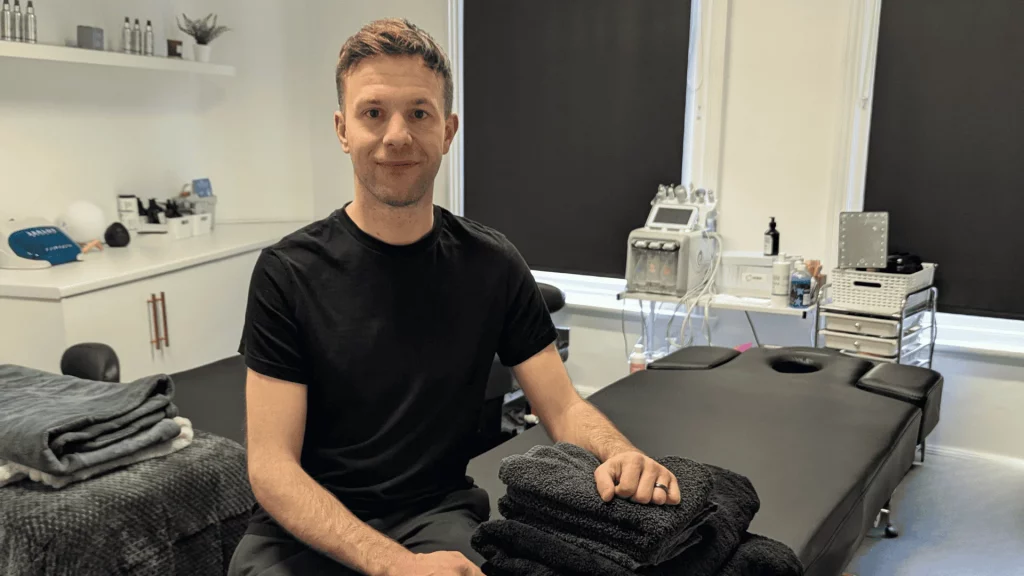
At Centred, we understand the challenges of living with fibromyalgia. Zac Botham, our co-founder, massage therapist and somatic bodywork practitioner, has experience working with chronic pain conditions and takes a gentle, client-led approach that respects individual sensitivity and tolerance.
We offer massage therapy, including myofascial release and deep tissue massage techniques adapted for fibromyalgia. Sessions can be tailored to your current symptoms and adjusted based on your feedback throughout.
For those who would benefit from combined support addressing both physical and psychological dimensions of fibromyalgia, Zac works alongside Ben Campbell, our psychotherapist, allowing for an integrated approach to mind and body.
If you have a workplace health cash plan, our sessions may be covered under it. We provide proper receipts meeting the requirements of most health cash plans.
Frequently asked questions
Is massage therapy safe for fibromyalgia?
Massage therapy is generally safe for fibromyalgia when performed by a qualified therapist who understands the condition. The key is appropriate pressure calibration, as fibromyalgia involves heightened pain sensitivity. A skilled therapist will adjust their approach based on your tolerance and feedback.
How often should I have a massage for fibromyalgia?
Research suggests benefits accumulate with regular treatment over at least five weeks. Many people find weekly sessions provide meaningful benefit for ongoing management. The optimal frequency varies from person to person, and your therapist can help determine what works best for you.
Which type of massage is best for fibromyalgia?
Research most strongly supports myofascial release, which shows large effects on pain reduction and moderate effects on anxiety and depression. Connective tissue massage and manual lymphatic drainage have also shown benefit. The best approach depends on your specific symptoms and preferences.
Will massage cure my fibromyalgia?
No. Fibromyalgia is a chronic condition with no known cure. Massage therapy can help manage symptoms, reduce pain, improve sleep, and ease anxiety and depression, but it works best as part of comprehensive management alongside other approaches, including exercise and, where appropriate, medication and psychological support.
Can massage make fibromyalgia worse?
If pressure is too firm or techniques are inappropriate, massage can temporarily increase symptoms. This is why finding a therapist with fibromyalgia experience and communicating clearly about pressure and comfort throughout treatment is essential. Some mild post-massage soreness is normal, but significant symptom flares suggest the approach needs adjustment.
Is massage therapy for fibromyalgia available on the NHS?
Massage therapy is not typically provided by the NHS for fibromyalgia. Treatment is usually accessed privately. However, if you have a workplace health cash plan, a massage with a registered therapist may be partially or fully claimable.
Looking for massage for fibromyalgia in Hull?
I’m Zac, Co-founder & Massage Therapist here at Centred. I work with clients seeking massage for a huge number of reasons; the thing they all have in common is that they want to move forward feeling more comfortable in their own bodies.