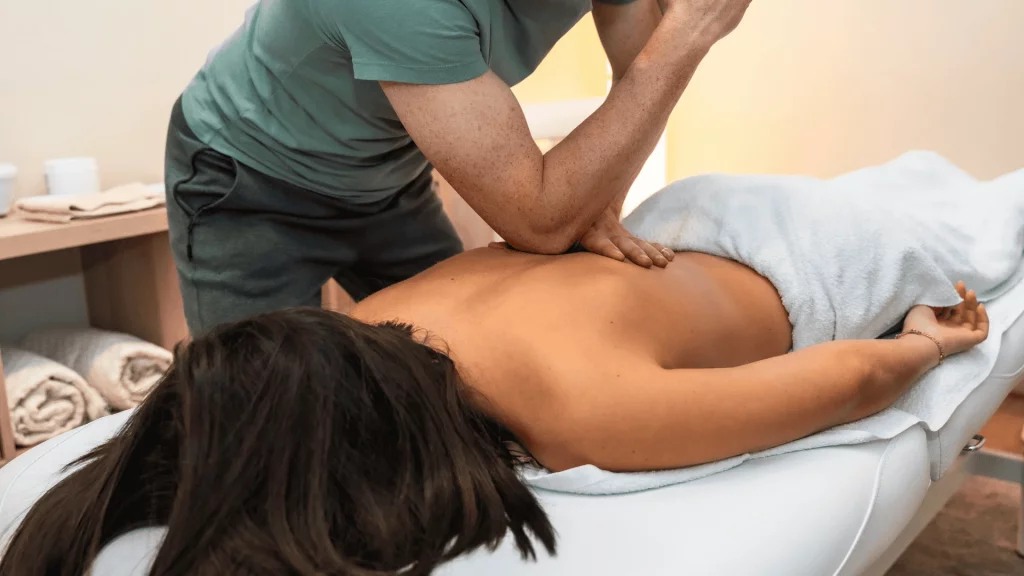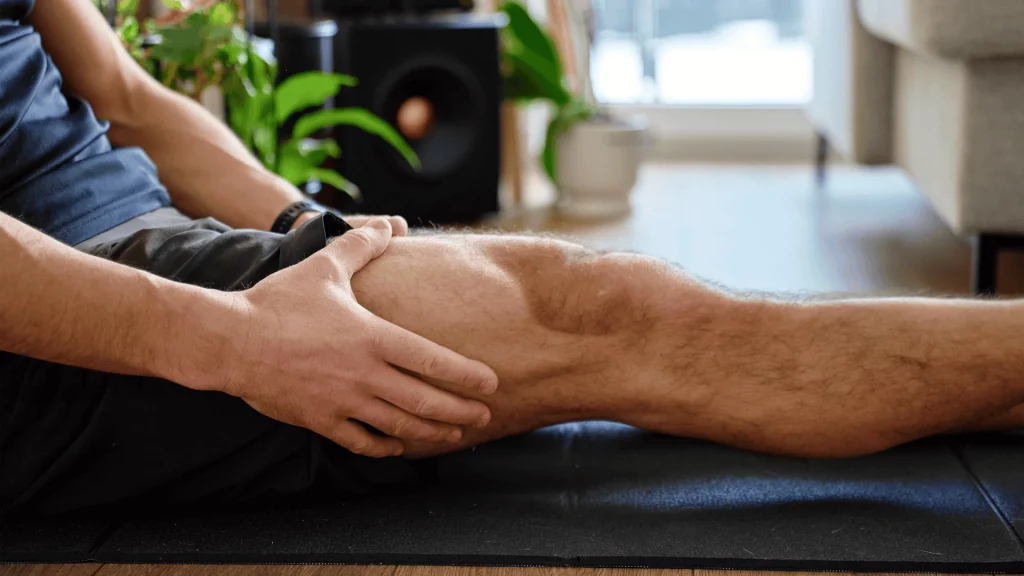
Deep tissue massage does not have to be painful to be effective. While you may feel some discomfort when pressure is applied …

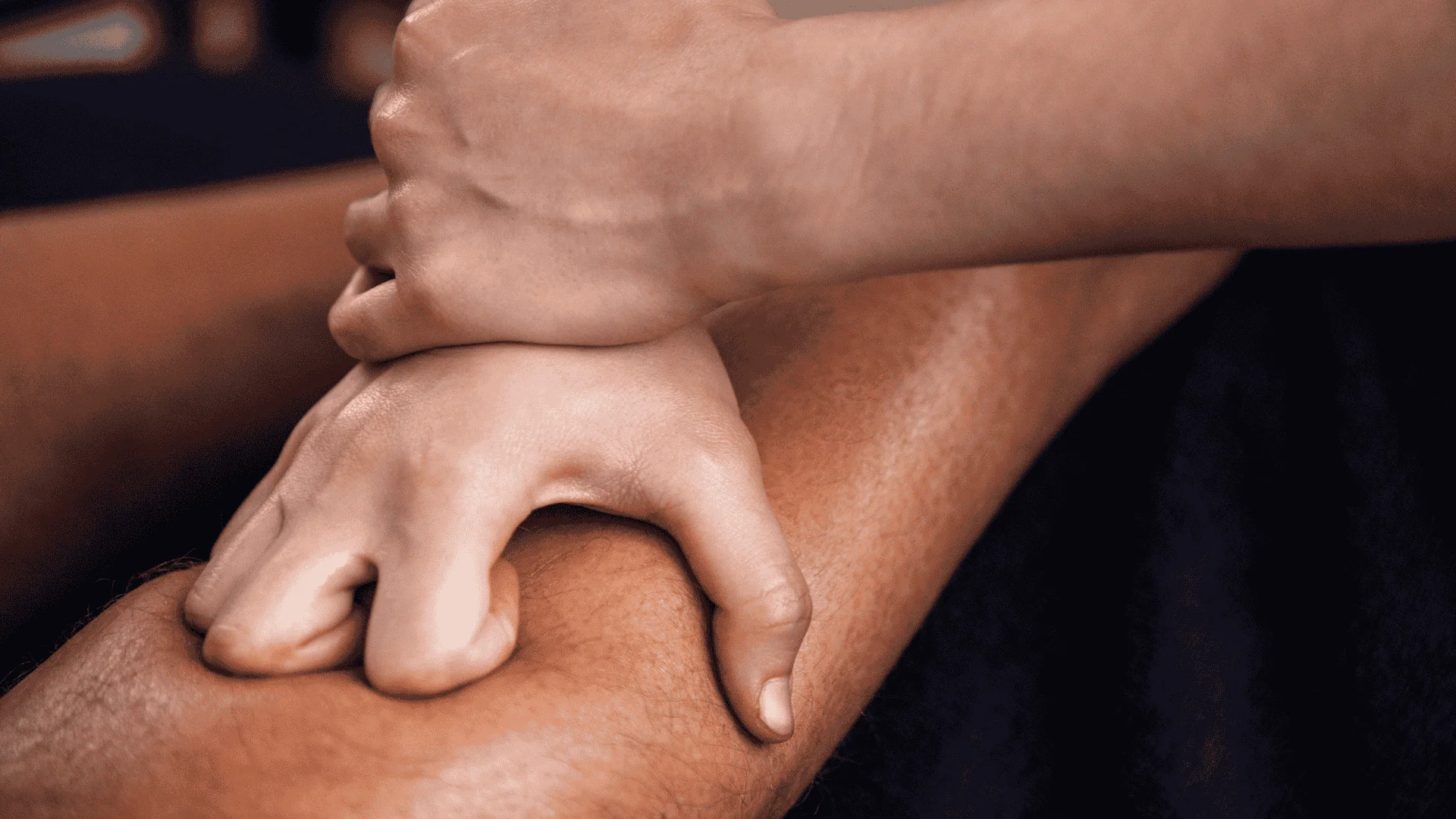
If you are considering deep tissue massage for the first time, you have probably heard stories. A friend who could barely move the next day. Someone at work described their session as “brutal“. Online reviews that make it sound more like endurance training than therapy.
It is no wonder that one of the most common questions we hear from new clients is, “Is deep tissue massage painful?”
The honest answer is: it depends. But not in the way you might think.
It depends less on the massage itself and more on how your therapist works with you.
Done well, deep tissue massage should never leave you gritting your teeth or counting down the minutes until it ends. It should feel like purposeful, productive work on areas that need attention.
In this article, we will explain what deep tissue massage actually involves, what the research says about its benefits, and what you should expect from a session. We will also share how we approach deep tissue work at Centred, and why we believe communication matters more than pressure.
Too busy to keep reading? Here’s our summary
Is deep tissue massage painful? Deep tissue massage does not have to be painful to be effective. While you may feel some discomfort when pressure is applied to areas of tension, there is an important difference between therapeutic discomfort and actual pain. Research shows that deep tissue massage can reduce muscle soreness by up to 48% and is effective for conditions including chronic back pain, neck pain, and muscle tightness. At Centred in Hull, we use a person-centred approach with regular check-ins to ensure pressure stays within your comfort zone. This article explains what deep tissue massage really feels like, what the research says about its benefits, and how to find a therapist who listens.
What is deep tissue massage?
Deep tissue massage is a technique that targets the deeper layers of muscle and connective tissue. Unlike Swedish massage, which uses lighter strokes primarily for relaxation, deep tissue massage uses slower, more deliberate pressure to address chronic tension, muscle tightness, and areas of restriction.
The techniques involved in deep tissue include sustained pressure, cross-fibre strokes, and focused work on specific areas of the body. A skilled massage therapist will work gradually through the superficial muscles to access deeper structures, rather than simply pressing harder from the start.
Deep tissue massage is commonly used for chronic back, neck and leg pain, shoulder tension, recovery from physical activity, postural issues related to desk work, and general muscle stiffness. It can also be helpful for people who simply prefer firmer pressure during their massage.
But here is the key point: deep massage does not mean painful massage. The goal is to work effectively with your muscles, not against your body’s protective responses.
The difference between therapeutic discomfort and pain
This distinction matters more than almost anything else when it comes to deep tissue massage.
Therapeutic discomfort
Therapeutic discomfort is a sensation you might describe as intense but manageable.
It often feels like the therapist has found exactly the right spot: a tender area that needs attention. You can breathe through it. Your muscles do not tense up in resistance. Afterwards, the area often feels better than before.
Pain
Pain is different. Pain causes your body to guard and protect itself. Your muscles contract. Your breathing becomes shallow or held. You find yourself bracing against what is happening rather than allowing it. This is your nervous system telling you that something is wrong.
When a massage crosses into genuine pain, it often becomes counterproductive. Muscles that are being forced to relax will tighten up further. The protective response works against the therapeutic goal. And the experience becomes something to endure rather than something that helps.
A good deep tissue massage lives in the space between too light and too much. It should feel like work is being done, but work that your body can accept.
Is deep tissue massage painful? What the research says...
There is a growing body of research supporting the use of massage therapy for various pain conditions. While the evidence base continues to develop, several studies point to meaningful benefits.
A 2008 randomised controlled trial published in The Journal of Pain found that deep tissue massage reduced pain during muscle stretch by approximately 48% and decreased mechanical hyperalgesia (heightened sensitivity to pressure) by around 27%. The researchers concluded that massage can reduce muscle pain by 25% to 50%, depending on how pain is assessed.
A 2016 systematic review and meta-analysis in Pain Medicine examined 67 high-quality studies on massage therapy for pain. The review found that massage effectively treats pain compared to sham treatment, no treatment, and active comparison therapies. The authors noted that massage therapy is particularly effective for musculoskeletal pain conditions.
A 2019 study on deep tissue massage for neck pain found improvements in pain intensity at seven and twelve weeks compared to advice alone. The Stockholm Neck Trial, which included 619 participants with persistent neck pain, demonstrated that deep tissue massage provided meaningful benefits for this common condition.
A 2018 meta-analysis in Frontiers in Physiology compared various recovery techniques for delayed-onset muscle soreness (DOMS). The review of 99 studies found that massage was the most effective method for reducing both DOMS and perceived fatigue after exercise.
The overall picture from research is that massage therapy, including deep tissue techniques, can be effective for pain relief and recovery. However, the research also emphasises that outcomes depend on factors including the therapeutic relationship, communication, and tailoring treatment to individual needs.
When deep tissue massage goes wrong
Unfortunately, not all deep tissue massage experiences are positive. We regularly hear from clients who have had difficult experiences elsewhere: sessions where the pressure was too intense, where they were not asked about their comfort, or where they left feeling worse than when they arrived.
Some common problems include:
No communication during the session. Some therapists work in silence, never checking whether the pressure is right. If you have to guess whether you should speak up, something is wrong. A good therapist creates space for feedback throughout.
Pressure that starts too heavy. Deep tissue work should build gradually. The muscles need time to warm up and relax before deeper pressure is applied. Starting at maximum intensity often triggers protective tension rather than release.
Dismissing client feedback. If you say the pressure is too much and the therapist continues anyway, or tells you it is supposed to hurt, that is a red flag. Your experience matters. Your boundaries should be respected.
Soreness that lasts for days. Some mild tenderness after deep tissue massage is normal, particularly if specific problem areas were addressed. But significant soreness lasting several days suggests the work was too aggressive. Post-massage discomfort should be minor and short-lived.
These experiences can put people off massage entirely, which is a shame. Deep tissue massage done well is a completely different experience from one done carelessly.
How we approach deep tissue massage at Centred
At our practice, we take a person-centred approach to all our massage work, including deep tissue. This means the treatment is shaped by you: your goals, your comfort, and your feedback.
We start with a conversation.
Before any hands-on work begins, we discuss what brought you in, what you hope to achieve, and any areas of concern. This helps us tailor the session to your needs rather than applying a one-size-fits-all approach.
We check in regularly.
Throughout the session, we ask about pressure and comfort. Not just once at the beginning, but as we move to different areas and as we work more deeply. Your body is not the same everywhere, and what feels right on your shoulders may be too much on your lower back.
We build pressure gradually.
We always start lighter and increase pressure as the muscles warm up and relax. This allows us to work more effectively while staying within your comfort zone.
We adapt in real time.
If something is not working for you, we change it. If you discover during the session that you prefer less pressure than you thought, that is completely fine. The goal is for you to leave feeling better, not to tick a box about how deep we went.
We encourage honest feedback.
Many people feel they should not complain or ask for adjustments during a massage. We actively encourage you to speak up. You are not being difficult by telling us what works for you. You are helping us do our job better.
What to expect during a deep tissue massage session
If you book a deep tissue massage at Centred, here is what a typical session looks like:
Before we begin
We will have a brief conversation about your health, any areas you would like us to focus on, and any you would prefer we avoid. For first-time clients, this includes a health questionnaire to ensure the massage is appropriate for you.
The session itself
We will start with warming techniques to prepare your muscles before moving into deeper work. As we progress, we will check in about pressure and comfort. Sessions are typically 60 or 90 minutes, depending on what you need.
During the massage
You may feel some intensity when we work on areas of tension, but this should never tip into pain. If it does, tell us. We will adjust immediately. Your job is to breathe, relax as much as possible, and let us know what you are experiencing.
Afterwards
You may feel some mild tenderness in the areas we worked on, particularly if there was significant tension. This usually fades within 24 to 48 hours. Drinking water, gentle movement, and rest can all support recovery.
Frequently asked questions about deep tissue massage
Is deep tissue massage supposed to hurt?
No. Deep tissue massage may involve moments of intensity or therapeutic discomfort, particularly when working on areas of chronic tension, but it should not be painful. If you are in pain, the pressure is too much and should be reduced. Effective deep tissue work can happen without crossing into pain.
Will I be sore after a deep tissue massage?
Some mild tenderness is normal, especially in areas where significant tension was released. This typically fades within 24 to 48 hours. If you experience severe soreness lasting several days, the pressure was probably too aggressive. A well-delivered deep tissue massage should leave you feeling better, not worse.
How is deep tissue massage different from Swedish massage?
Swedish massage uses lighter, flowing strokes and is primarily focused on relaxation. Deep tissue massage uses slower, more deliberate pressure to target deeper muscle layers and areas of chronic tension. Both have their place: Swedish massage is ideal for stress relief and general relaxation, while deep tissue is better suited to addressing specific muscular issues.
Can I ask my therapist to use less pressure?
Absolutely. You should always feel comfortable asking for adjustments during your massage. A good therapist will welcome this feedback and adjust immediately. You are not being difficult by speaking up. You are helping ensure the treatment works for you.
How often should I get a deep tissue massage?
This depends on your goals and circumstances. For chronic tension or ongoing physical demands, regular sessions every two to four weeks can help maintain benefits. For occasional muscle tightness, less frequent sessions may be sufficient. We can discuss what makes sense for your situation during your appointment.
Is deep tissue massage safe for everyone?
Deep tissue massage is safe for most people, but there are some situations where caution is needed, or a different approach may be better. These include pregnancy, recent surgery, acute injuries, blood-clotting disorders, and certain medical conditions. We always discuss your health history before starting and will recommend alternatives if deep tissue is not appropriate for you.
What should I wear to a deep tissue massage?
You will be asked to undress to your comfort level. Most people remove clothing from the areas being worked on, and you will be covered with towels throughout the session, except for the specific area being treated. Your comfort and privacy are always respected.
Can deep tissue massage help with chronic pain?
Research suggests that massage therapy can be effective for various chronic pain conditions, including chronic back pain and neck pain. However, chronic pain is complex and influenced by many factors. Deep tissue massage may be one helpful part of a broader approach to managing chronic pain, alongside movement, self-care, and other support as needed.
How do I know if deep tissue massage is right for me?
If you have chronic muscle tension, tightness from physical activity or desk work, or simply prefer firmer pressure, deep tissue massage may be a good fit. If you are unsure, we are happy to discuss your needs before you book. We can help you decide whether deep tissue, Swedish massage, or another approach would work best for you.
Where can I get a deep tissue massage in Hull?
At Centred, we offer deep tissue massage in Hull from our Hessle practice. We serve clients from across Hull, East Yorkshire, and the surrounding areas, including Anlaby, Willerby, Kirk Ella, Cottingham, and Beverley, with evening and weekend appointments available.
Finding the right deep tissue therapist matters
Deep tissue massage should be effective and comfortable. It should address your concerns without leaving you dreading the experience. If you have had negative experiences in the past, it does not mean deep tissue massage is not for you. It may simply mean you have not yet found the right therapist.
The right therapist listens. They check in. They adapt to your needs. They create an environment where you feel comfortable giving honest feedback. And they understand that the goal is to help you, not to prove how deep they can go.
If you are looking for deep tissue massage in Hull or the surrounding areas, we would be happy to help. At Centred, we combine skilled technique with genuine attention to your experience.
About Centred
Centred is a therapeutic and wellbeing practice based in Hessle, East Yorkshire. We offer massage therapy, somatic bodywork, and breathwork. Our integrated approach supports both body and mind, helping you work through tension, stress, and pain in a way that fits your life.
Zac Botham is an ITEC-qualified, FHT-registered Massage Therapist and SMA member, offering sports massage, deep tissue massage, Swedish massage, and the Centred Bodywork Method.
Ready to book?
If you would like to try deep tissue massage in Hull with a therapist who listens, you can book directly through our website. We offer 60-minute and 90-minute sessions, and we are happy to answer any questions you may have.
References
Crawford, C., Boyd, C., Paat, C.F., Price, A., Xenakis, L., Yang, E. and Zhang, W. (2016) ‘The impact of massage therapy on function in pain populations: a systematic review and meta-analysis of randomised controlled trials: Part I, patients experiencing pain in the general population’, Pain Medicine, 17(7), pp. 1353-1375.
Dupuy, O., Douzi, W., Theurot, D., Bosquet, L. and Dugué, B. (2018) ‘An evidence-based approach for choosing post-exercise recovery techniques to reduce markers of muscle damage, soreness, fatigue, and inflammation: a systematic review with meta-analysis’, Frontiers in Physiology, 9, 403.
Frey Law, L.A., Evans, S., Knudtson, J., Ber, S., Sluka, K.A. and Clark, C.R. (2008) ‘Massage reduces pain perception and hyperalgesia in experimental muscle pain: a randomised, controlled trial’, The Journal of Pain, 9(8), pp. 714-721.
Skillgate, E., Bill, A.S., Cote, P., Viklund, P., Peterson, A. and Holm, L.W. (2019) ‘Effectiveness of deep tissue massage therapy, and supervised strengthening and stretching exercises for subacute or persistent disabling neck pain: the Stockholm Neck (STONE) randomised controlled trial’, Musculoskeletal Science and Practice, 45, 102070.
Looking for deep tissue massage in Hull?
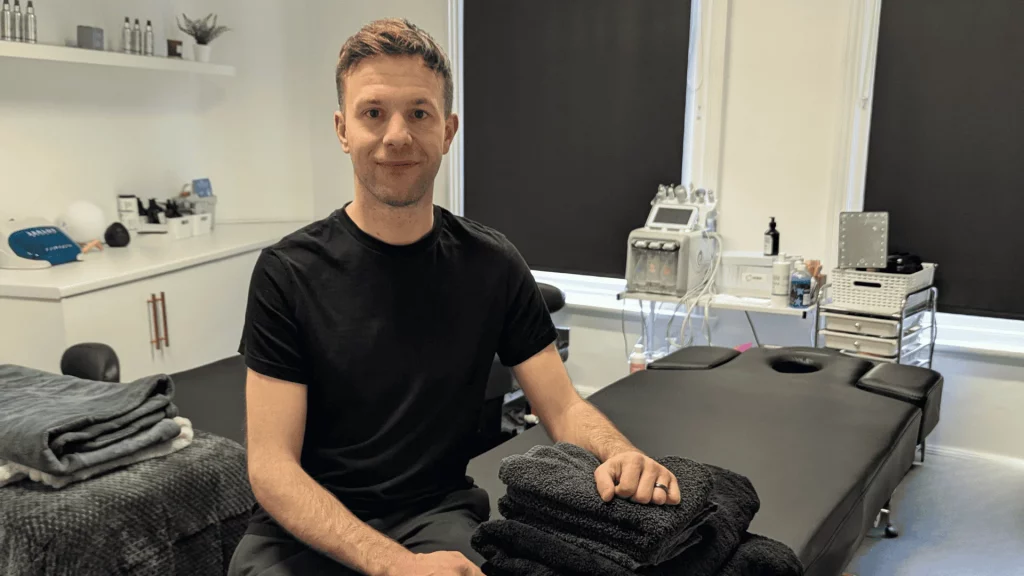
I’m Zac, Co-founder & Massage Therapist here at Centred. I work with clients seeking massage for a huge number of reasons; the thing they all have in common is that they want to move forward feeling more comfortable in their own bodies.
Category: Physical Health