In the UK, the term “massage therapist” isn’t a protected title. Anyone can use it, regardless of their training. For people looking …

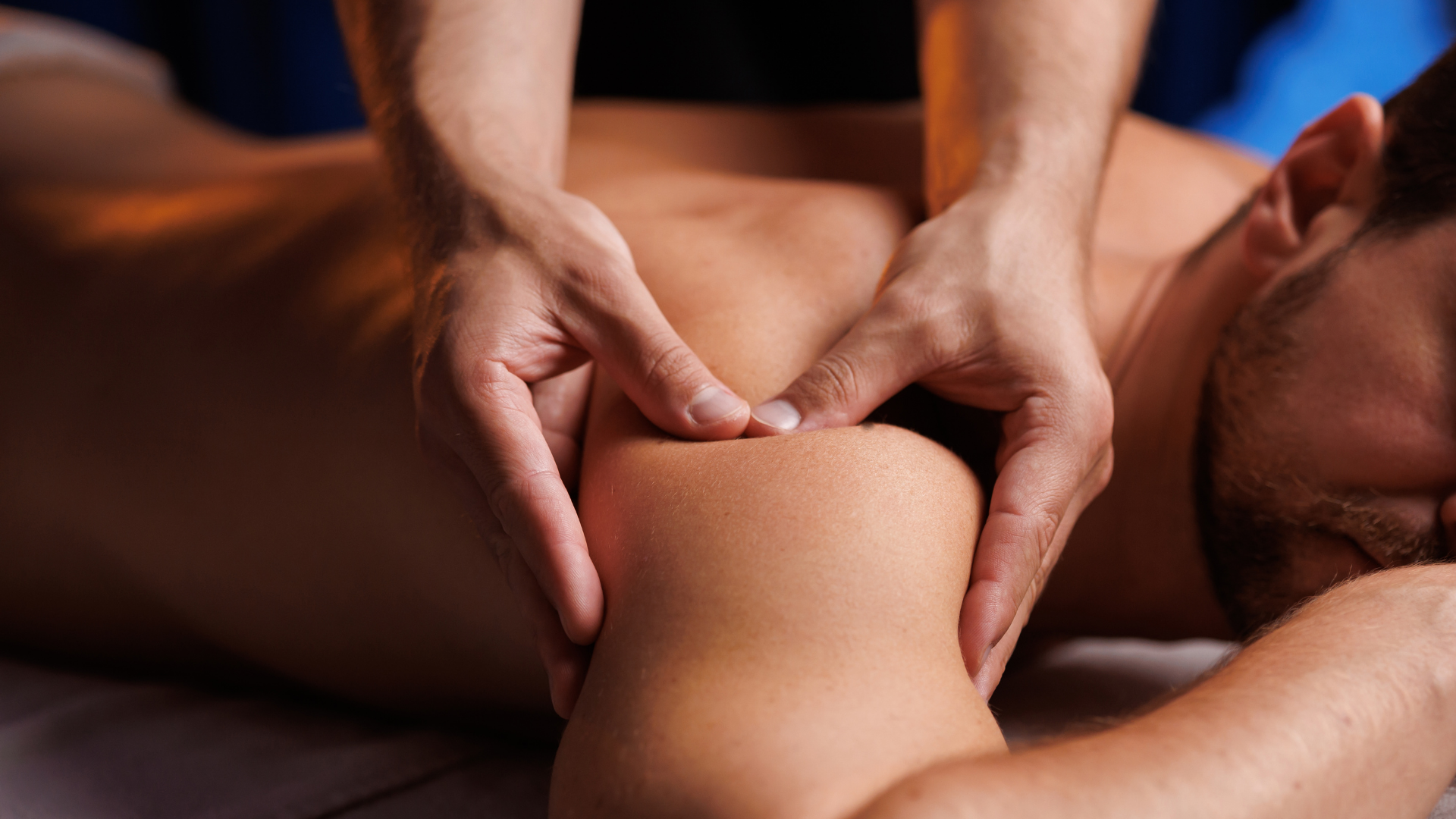
In the UK, the term “massage therapist” isn’t a protected title. Anyone can use it, regardless of their training. Someone who completed a weekend course can advertise massage services alongside someone who spent months studying anatomy, physiology and hands-on technique under supervision.
For people looking for a massage, this creates a real problem: how do you know who is properly trained, appropriately insured, and working to recognised professional standards?
The short answer is to check their qualifications and registrations. This article explains what to look for and why choosing a qualified massage therapist really matters.
Massage therapy is unregulated in the UK
Unlike physiotherapists and osteopaths, who are regulated by law and must be registered with statutory bodies, massage therapists operate in what’s called voluntary self-regulation. There is no Act of Parliament requiring massage therapists to hold any qualification, register with any body, or meet any training standard.
This means anyone can set up as a massage therapist tomorrow with no training whatsoever; you don’t necessarily need to be a ‘qualified massage therapist’. It also means that if a therapist is removed from a voluntary register for misconduct, they can simply continue working without being registered. There’s no statutory body with the power to stop them.
The industry instead relies on voluntary professional bodies that set and maintain standards for their members. Membership organisations such as The Federation of Holistic Therapists (FHT) and the Sports Massage Association (SMA) play a significant role in maintaining professional standards.
For consumers, this means that checking whether a therapist belongs to a recognised professional body is one of the most important things you can do before booking.
What training to be a qualified massage therapist involves
Recognised massage therapy qualifications in the UK sit within the Regulated Qualifications Framework, overseen by Ofqual. They’re offered at progressive levels, each building clinical competence.
Level 3 (A-level equivalent) is the industry-standard entry point for professional practice. It typically covers Swedish and holistic massage techniques, anatomy and physiology of all major body systems, pathology and contraindications (when massage isn’t appropriate), professional ethics, and business practice. Students complete case studies and supervised treatments over several months to a year.
Level 4 (Certificate of Higher Education equivalent) moves into advanced and remedial work, injury assessment, orthopaedic testing, and advanced techniques like soft tissue release and trigger point therapy. Practitioners at this level work with injuries and pathological conditions, not just healthy clients seeking relaxation.
Level 5 (Foundation Degree equivalent) represents the clinical specialist tier, covering complex injuries, chronic pain management, and advanced clinical reasoning.
The main awarding bodies you’ll see are VTCT (which incorporated ITEC in 2016), Active IQ, CIBTAC, and City & Guilds. All are regulated by Ofqual and map their qualifications to National Occupational Standards.
This depth of training is about safety. A properly trained and qualified massage therapist understands how the body works, how to apply techniques safely, when massage is appropriate and when it isn’t, and how to adapt treatment for different needs and conditions.
The risks of choosing an unqualified massage therapist
Massage involves working with soft tissues and joints, and sometimes with complex pain patterns. In untrained hands, this carries genuine risk.
A systematic review of published research identified 138 documented adverse events from massage therapy, including cases of disc herniation, soft tissue trauma, neurological damage, spinal cord injuries, and bone fractures. Deep tissue massage and neck work carry particular risks when performed incorrectly.
Beyond physical injury, a 2022 BBC investigation uncovered more than a dozen criminal cases in which offenders used the unregulated massage industry to assault clients. The Professional Standards Authority responded by urging all massage therapists to join Accredited Registers and calling on app-based booking platforms to require registration.
A qualified massage therapist can recognise red flags, adapt techniques to your body, avoid aggravating existing issues, work safely with injuries or sensitivities, and tailor treatment to your occupation, lifestyle or goals.
This is especially important for people seeking help with work-related tension, chronic discomfort, or musculoskeletal strain, situations where getting it wrong can make things worse.
What to check out with your massage practitioner before you book
Before booking a massage appointment, it’s worth verifying a few things:
Registration status. Is the therapist a member of a recognised body such as the FHT or the SMA? You can search the FHT directory at fht.org.uk.
Qualifications. A minimum Level 3 Diploma from an Ofqual-regulated awarding body (VTCT, ITEC, Active IQ, CIBTAC, City & Guilds) is the baseline for professional practice. For injury treatment as part of sports massage, Level 4 or above is appropriate. This is a key step in ensuring you’re working with a qualified massage therapist.
Insurance. The therapist should hold current professional indemnity and public liability insurance. This protects you if something goes wrong.
Consultation process. A qualified therapist will always conduct a thorough pre-treatment consultation covering your medical history, current conditions, medications and treatment goals before the session begins. Skipping this step is a warning sign.
These checks take a few minutes but can help prevent ineffective treatment or injury.
At Centred, you're in safe, qualified hands
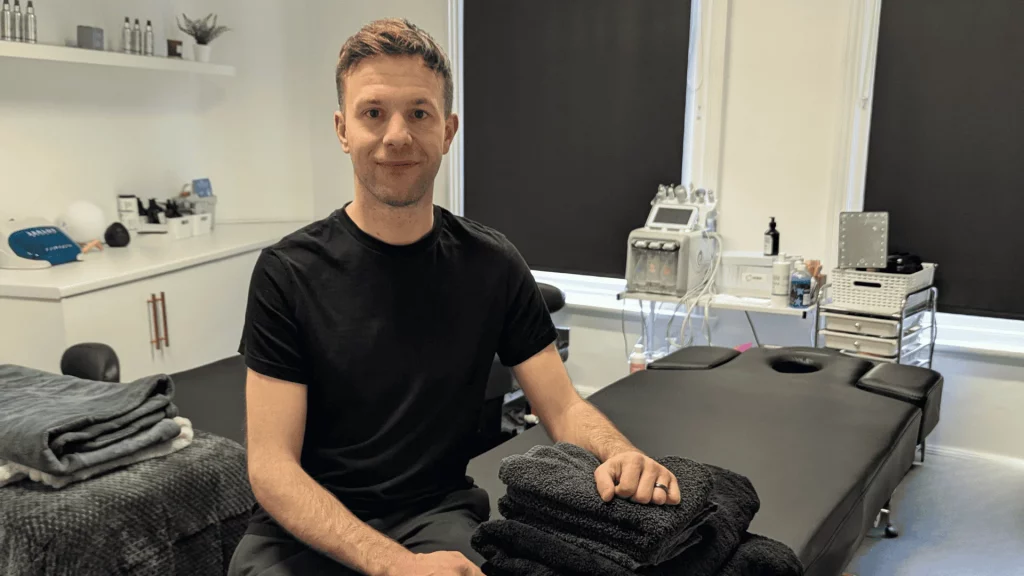
All massage and bodywork at Centred is provided by Zac Botham, an ITEC-qualified Massage Therapist and ActiveIQ-trained Sports Massage Practitioner. He is registered with the Federation of Holistic Therapists (FHT) and is a therapist member of the Sports Massage Association (SMA).
This means his qualifications have been independently verified, he maintains current professional insurance, he completes ongoing professional development, and he works to establish codes of conduct and ethics.
Before specialising in massage and manual therapy and becoming a qualified massage therapist, Zac worked in high-level corporate roles, giving him firsthand insight into how stress and occupational strain show up in the body. That lived experience shapes how he works with clients carrying similar pressures.
His approach is rooted in clarity, respect, and evidence-informed care. Whether you’re looking to ease everyday tension, support recovery from work-related strain, or prepare your body for sport and performance, you can trust that you’re in the hands of properly trained, professionally accountable professionals.
Your body deserves someone who's properly trained
Choosing a qualified massage therapist with recognised training and professional memberships isn’t about prestige. It’s about safety, skill and trust.
It means you’re in the hands of someone who has invested in their education, follows professional standards and ethics, maintains appropriate insurance, and is committed to delivering high-quality, evidence-based care.
Your body deserves nothing less.
Ready to book with a qualified massage therapist?
Zac is a qualified massage therapist, offering Swedish massage, deep tissue massage, sports massage, and the signature Centred Bodywork Method at our Hessle practice, serving Hull and East Yorkshire.
About Centred
Centred is a massage therapy and bodywork practice based in Hessle, serving clients across Hull and East Yorkshire. Founded by Ben Campbell and Zac Botham, the practice offers Swedish massage, deep tissue massage, sports massage, somatic bodywork and breathwork, combining clinical skill with a trauma-informed, person-centred approach. Zac is an ITEC-qualified Massage Therapist and ActiveIQ-trained Sports Massage Practitioner, registered with the Federation of Holistic Therapists (FHT) and a therapist member of the Sports Massage Association (SMA). Sessions can be claimed through most major health cash plans. Evening appointments are available.
Ready to book? Visit www.centredlife.com to schedule an appointment or get in touch with any questions.
This article was written on Monday, 30th March 2026 and published on Monday, 30th March 2026. The information provided is for general guidance and does not replace professional advice. All information contained within is correct at the time of writing. For the latest news and insight, visit: centredlife.com/blog
Category: Physical Health