Whether you’re training for a marathon, returning to the gym after a break, competing at club level, or simply staying active to …

Whether you’re training for a marathon, returning to the gym after a break, competing at club level, or simply staying active to feel good, your body works hard for you. Muscles adapt. Joints take load. Your nervous system constantly balances effort and recovery. Over time, this can lead to tightness, fatigue, or movement restrictions that affect how you perform and how you feel.
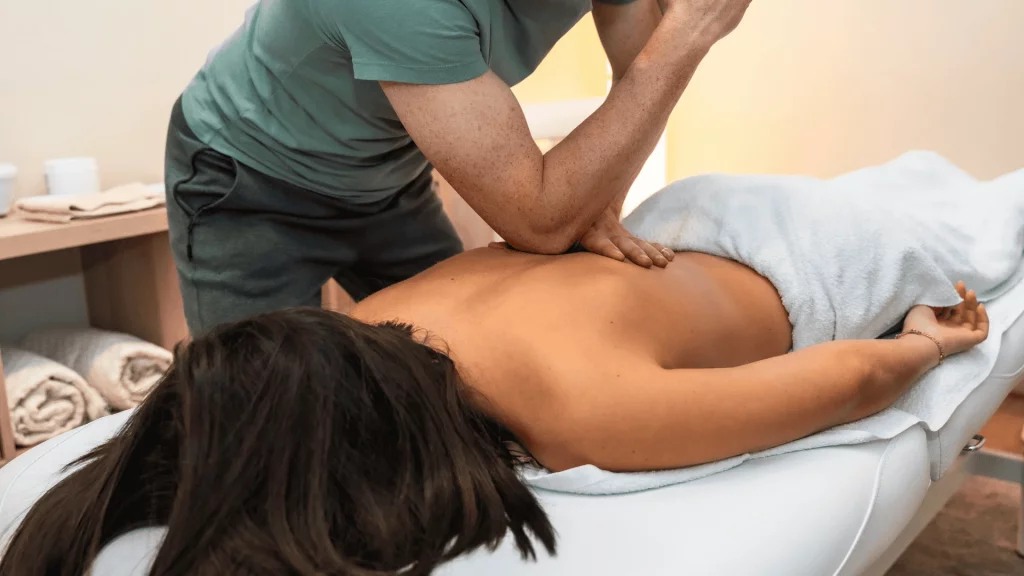
Sports massage, deep tissue massage and targeted bodywork can play a powerful role in keeping you moving well. At Centred, we specialise in offering sports massage for athletes in Hull and tailor our treatments to your training cycle, your goals, and the unique demands of your sport or activity.
Why active bodies benefit from massage
Training places stress on the body. That’s how strength, endurance and skill develop. Each session creates microscopic changes in muscle tissue, challenges the cardiovascular system, and asks the nervous system to coordinate increasingly complex movements.
But without adequate recovery, that productive stress can build into tension, reduced mobility, or discomfort that starts to interfere with training consistency and performance.
A 2013 review found that 78% of French professional football teams used massage therapy to help athletes recover. In track and field sports, massage has been a fixture of athletic support for decades. The reasons are both physiological and psychological: massage addresses the physical aftermath of training while also supporting the mental state that allows athletes to perform at their best.
What the research shows
The evidence for sports massage for athletes is nuanced. A systematic review and meta-analysis examining 29 randomised studies recruiting over 1,000 participants found that massage was associated with small but statistically significant improvements in flexibility and DOMS (delayed onset muscle soreness). The same review found no direct evidence that massage improves measures of strength, jump, sprint or endurance.
But performance isn’t only about raw physical metrics. Research consistently shows that massage treatment leads to a decrease in depression, stress, anxiety, and the perception of fatigue and an increase in mood, relaxation, and the perception of recovery. For athletes, feeling recovered and mentally prepared matters as much as the numbers.
As researchers noted, the fact that an athlete feels better after receiving a massage might be sufficient to justify its use despite the absence of measurable physiological benefits. When you feel ready to train, you train better. When you feel recovered, you push harder.
How massage supports active bodies
Sports massage can help by:
Reducing muscle tightness and fatigue. Repetitive training creates tension patterns in specific muscle groups. Massage works directly on these tissues, releasing tightness and restoring normal muscle tone.
Improving circulation and tissue recovery. Massage increases blood flow to treated areas, supporting the delivery of oxygen and nutrients while helping clear metabolic waste products from working muscles.
Supporting mobility and range of motion. Research consistently shows that massage improves flexibility. For athletes whose performance depends on a full range of motion, whether swimmers, martial artists, gymnasts or runners, this matters.
Helping reduce delayed onset muscle soreness. One study found that massage was effective in alleviating DOMS by approximately 30% and reducing swelling. Less soreness means you can return to training sooner and with better quality movement.
Enhancing body awareness and movement quality. Regular massage helps you stay connected to how your body feels and identify areas of tension or restriction before they become problems.
Supporting nervous system regulation and rest. Hard training activates the sympathetic nervous system. Massage helps shift toward parasympathetic dominance, supporting deeper rest and recovery between sessions.
Whether you’re a runner, lifter, cyclist, climber, swimmer, or weekend warrior, bodywork helps you stay consistent and resilient across your training.
Understanding delayed onset muscle soreness (DOMS)
If you’ve ever felt that deep aching stiffness a day or two after a hard session, you’ve experienced DOMS.
Understanding what sports massage is and how it helps can inform when and how you use it in your training.
What causes DOMS
Delayed onset muscle soreness (DOMS) typically develops 12 to 24 hours after exercise and peaks between 24 and 72 hours. It’s most common after eccentric muscle contractions (where the muscle lengthens under load), unfamiliar exercises, or sudden increases in training volume or intensity.
The mechanism involves micro-damage to muscle fibres and subsequent inflammation. This isn’t harmful. It’s part of how muscles adapt and grow stronger. But soreness, stiffness, and a temporary reduction in strength can affect your ability to train effectively in the days following a hard session.
How massage helps with DOMS
Research supports massage as an effective intervention for DOMS. A meta-analysis pooling data from 11 studies involving over 500 participants found that massage significantly reduced muscle soreness after strenuous exercise.
The mechanism likely involves reducing inflammation and decreasing neutrophil migration when massage is administered within a few hours of exercise. One review notes that when administered within 2 hours of activity, mechanical pressure (such as deep tissue massage) is believed to decrease neutrophil migration and thus reduce inflammation within the muscle.
For athletes with multiple training sessions per week or those in competition phases with back-to-back events, managing DOMS effectively can significantly improve training quality and performance.
Pre-event massage for athletes: preparing your body to perform
Pre-event massage is designed to help you feel physically and mentally ready before a race, match, or training milestone.
The approach differs significantly from recovery or maintenance work.
Pre-event sports massage timing and technique
Pre-event sports massage is typically performed 30 minutes to 24 hours before the event, depending on the event and the individual’s response. Some athletes prefer treatment the day before; others benefit from brief work immediately prior to warming up.
Pre-event sports massage treatment focuses on:
Warming the tissues. Light, rhythmic techniques increase blood flow to working muscles, preparing them for exertion.
Enhancing circulation. Improved blood flow delivers oxygen and nutrients while helping clear any residual tension from training.
Increasing mobility. Gentle stretching and mobilisation techniques support a full range of motion without fatiguing the muscles.
Reducing pre-event tension. Many athletes carry nervous tension in their shoulders, neck and jaw before competition. Releasing this helps them feel loose and ready.
Supporting focus and mental readiness. The psychological effect of pre-event massage shouldn’t be underestimated. Massage significantly decreased levels of tension, confusion, fatigue, anxiety, and depression in university students in physical education classes compared to controls. For athletes facing pre-competition nerves, this can be valuable.
What pre-event massage is not
Pre-event massage is not the time for deep tissue work, trigger point therapy, or addressing chronic issues. The goal is activation, not treatment. Pressure is typically light to moderate, with techniques chosen to stimulate rather than fatigue the muscles. Leaving an athlete feeling tired, tender or deeply relaxed immediately before competition defeats the purpose.
The aim is simple: help you feel primed, loose and confident.
Post-event sports massage for athletes: supporting recovery after you've pushed hard
After a big effort, whether a race, match, or particularly demanding training session, your body needs time and support to recover.
Post-event massage helps manage the immediate aftermath of intense exertion.
What happens after hard effort
Intense exercise creates several challenges for recovery:
- Metabolic waste products accumulate in working muscles.
- Microtrauma to muscle fibres triggers inflammatory processes.
- The nervous system may remain in a heightened state.
- Muscles can tighten and shorten as they recover.
- Fatigue affects movement quality and coordination.
How post-event massage helps athletes with recovery
Post-event massage addresses these challenges through slower, more restorative work:
Reducing muscle soreness. Research shows that post-event massage can accelerate recovery and reduce muscle soreness. One study of endurance athletes found that massage significantly reduced perceived soreness following a marathon.
Easing fatigue and stiffness. Gentle techniques help muscles relax and begin the recovery process, reducing the tight, heavy feeling that often follows hard effort.
Supporting circulation and metabolic recovery. While the old theory about massage “flushing out lactic acid” has been largely discredited (lactate clears naturally within an hour or two of exercise), massage does support overall circulation and tissue health.
Calming the nervous system. After competition, many athletes struggle to wind down. Post-event massage helps shift from the activated state of competition toward rest and recovery.
Improving comfort and mobility in the days following. By addressing tension early, post-event massage can reduce the severity and duration of post-competition stiffness.
Timing considerations: when to book your post-event sports massage
Immediately post-event (within 30 minutes to 2 hours), the massage should be gentle and restorative. This isn’t the time for deep work on damaged tissue. More thorough treatment can follow 24 to 48 hours later, once the immediate inflammatory phase has passed.
For athletes with multiple events in a single day or weekend, post-event massage between efforts can support ongoing performance, though the approach needs to balance recovery with maintaining readiness.
Maintenance massage for athletes: staying consistent, mobile and injury-resilient
While pre-event and post-event massage address specific moments in the competition cycle, maintenance massage is the foundation of long-term athletic support. It’s ideal for anyone who trains regularly, whether that’s gym sessions, running, classes, swimming, cycling, or sport-specific practice.
The case for regular treatment
Training creates cumulative stress on the body. Without intervention, small tensions become chronic patterns. Minor restrictions become significant limitations. Niggling discomfort becomes injury.
Maintenance massage helps you stay ahead of these developments. Rather than waiting until something hurts, you address the buildup of tension before it causes problems.
A study published in the Journal of Sports Science and Medicine found that athletes who received regular sports massage had a lower incidence of musculoskeletal injuries than those who did not receive massage therapy.
One review noted that when used as part of a wider training and recovery strategy, sports massage helps reduce the incidence of overuse injuries in athletes.
What maintenance sports massage for athletes addresses
Maintenance sessions can:
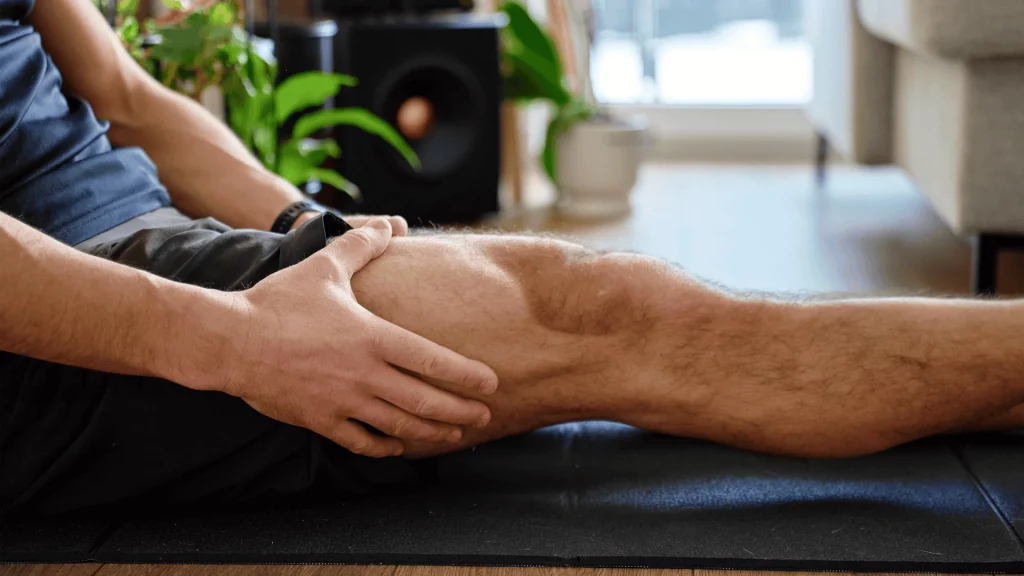
Address recurring tightness. Every athlete has areas that tend to tighten. Runners often experience tension in the calves and hip flexors. Cyclists develop tight quads and hip restrictions. Lifters carry tension in the shoulders and upper back. Regular massage keeps these areas in check.
Support long-term mobility. Research shows that prolonged treatment has a greater impact on physical changes. Participants who reported receiving massage therapy for longer periods showed higher rates of improved flexibility. Consistency matters.
Help prevent overuse issues. By identifying and addressing muscle imbalances and tightness early, massage can help prevent the gradual development of overuse injuries.
Improve movement patterns. When muscles are working freely, movement quality improves. Better movement means more efficient training and reduced injury risk.
Keep training feeling enjoyable and sustainable. There’s value in simply feeling good in your body. When training doesn’t hurt, you’re more likely to stay consistent.
How often should athletes have sports massage for recovery?
Many active clients find that regular maintenance sports massage every two to four weeks keeps them performing at their best. The ideal frequency depends on training volume, intensity, and individual recovery capacity.
During heavy training phases or competition preparation, more frequent treatment may be beneficial. During lighter periods, less frequent maintenance may be sufficient.
Common issues by activity type
Different activities create different demands on the body. Understanding the typical patterns can help you get more from your sports massage sessions.
Runners
Running involves thousands of repetitive impacts, predominantly loading the lower body. Common areas of tension include:
- Calves and Achilles tendon complex.
- Hip flexors (from repetitive hip drive).
- IT band and lateral thigh.
- Glutes and piriformis.
- Lower back (particularly in runners with weaker core stability).
- Plantar fascia and foot muscles.
Runners benefit from maintenance work that keeps these areas supple, addresses developing restrictions before they become injuries, and supports the mobility needed for efficient running mechanics.
Cyclists
Cycling creates sustained positions and repetitive loading patterns that differ from running. Common areas include:
- Quadriceps and hip flexors (shortened position on the bike).
- Lower back (sustained flexed position).
- Neck and shoulders (from riding position).
- Glutes and hip rotators.
- Hamstrings and calves.
The sustained positions of cycling can create particularly stubborn restrictions. Regular maintenance helps counteract the postural effects of time in the saddle.
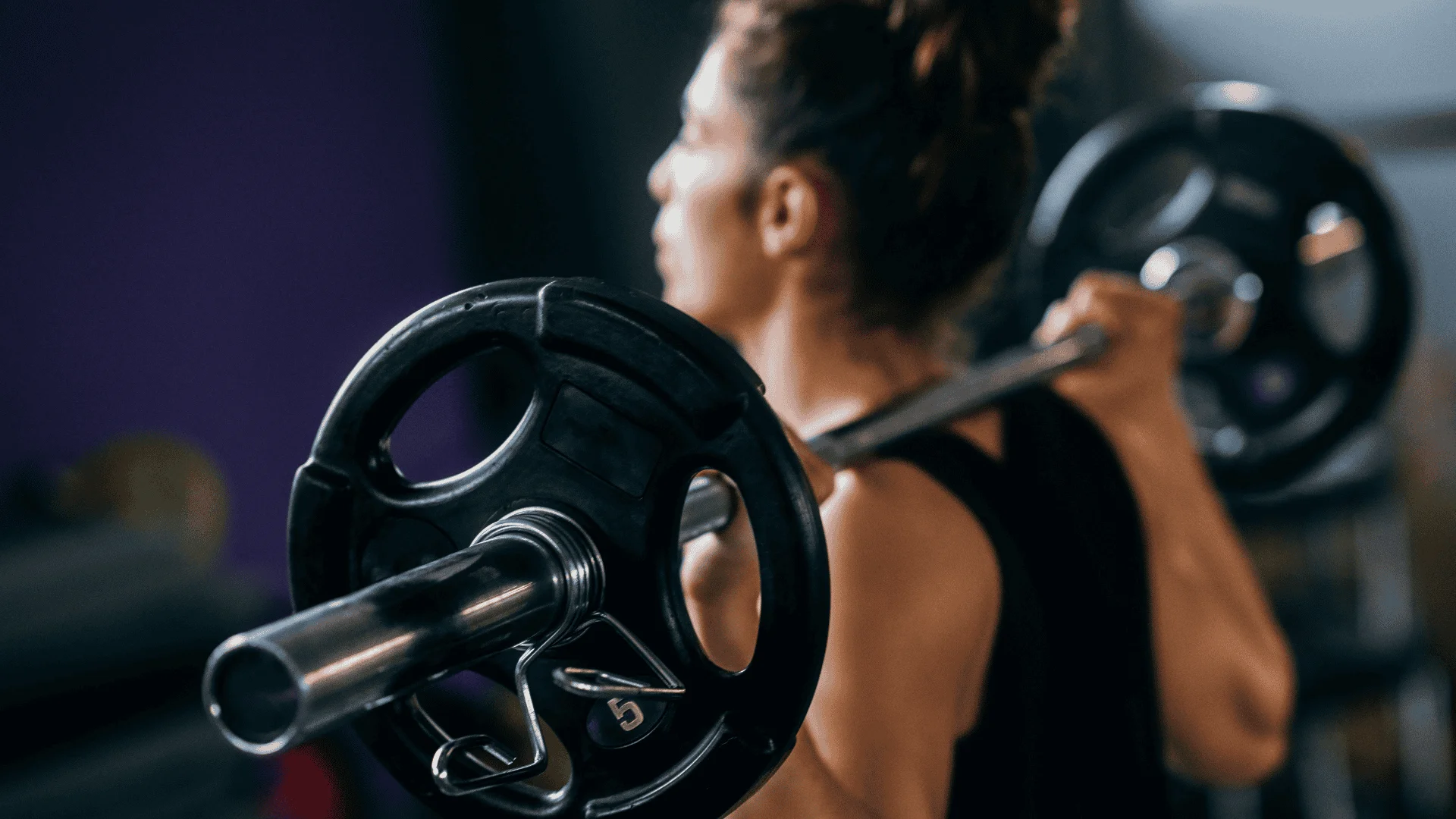
Bodybuilding, strength training and gym work
Lifting creates different demands depending on the training focus. Common areas include:
- Shoulders, rotator cuff, and upper back (pressing and pulling).
- Pectorals (bench press and pushing movements).
- Lower back (deadlifts and squats).
- Hip flexors and quads (squatting).
- Forearms and grip muscles (heavy pulling).
Strength athletes often benefit from work that maintains mobility alongside their strength development, preventing the gradual restriction that can accompany heavy training.
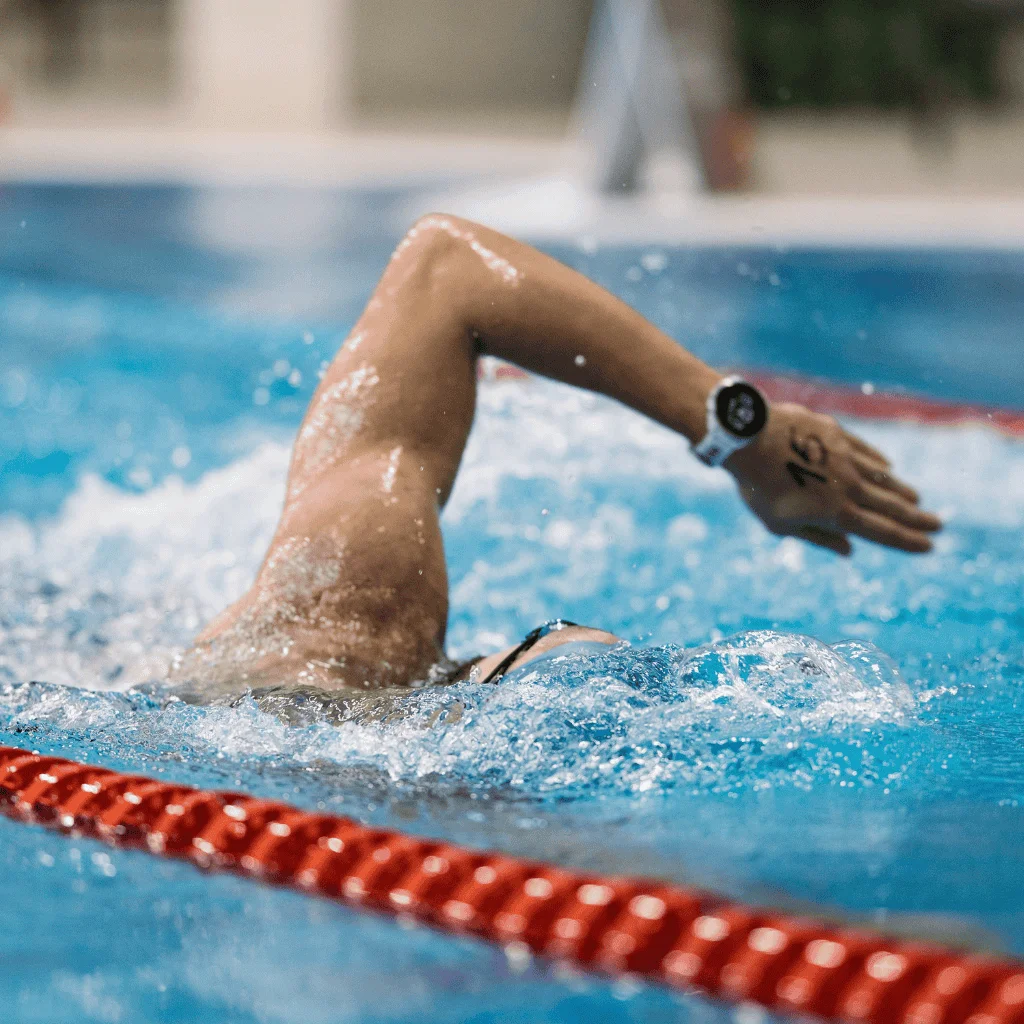
Swimming
Swimming involves whole-body work with particular demands on the shoulders. Common areas include:
- Shoulders and rotator cuff (repetitive overhead movement).
- Lats and upper back.
- Hip flexors (kick mechanics).
- Neck (breathing patterns).
Swimmers often carry significant shoulder tension that benefits from regular attention.
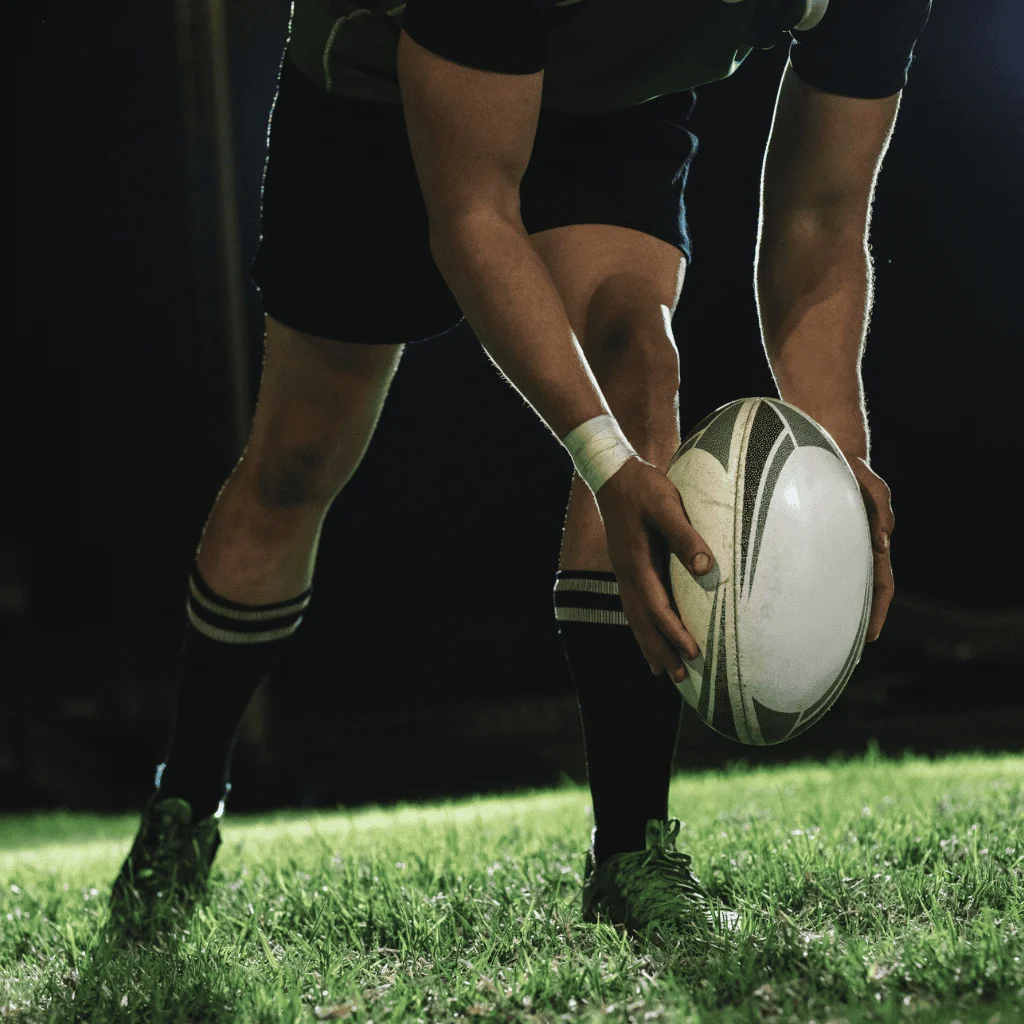
Team sports (football, rugby)
Team sports combine endurance, speed, agility, and contact in varying proportions. Common areas depend on the specific sport, but often include:
- Lower body from running, cutting, and jumping.
- Upper body from throwing, tackling, or holding positions.
- Core and trunk from rotational movements.
- Areas affected by specific positional demands.
The unpredictable nature of team sports means athletes benefit from maintaining general readiness rather than optimising for a single movement pattern.
What to expect from a sports massage session
Sports massage at Centred is tailored to your specific needs, whether you’re preparing for an event, recovering from one, or maintaining your training capacity.
Your initial consultation
Every session begins with a brief conversation about your training, any current issues or goals, and what you’re hoping to achieve from the session. This helps ensure the treatment is relevant to where you are in your training cycle and addresses your actual needs.
The treatment
Sports massage uses a range of techniques, including:
- Deep tissue work to address areas of chronic tension.
- Soft tissue release to improve muscle length and function.
- Trigger point therapy for specific areas of tightness.
- Myofascial release to address fascial restrictions.
- Stretching and mobilisation to support the range of motion.
- General massage techniques for circulation and relaxation.
The specific approach depends on your needs on the day. Pre-event work is lighter and more activating. Post-event work is gentler and more restorative. Maintenance sessions can address specific issues in more depth.
Communication throughout the session ensures pressure and technique are appropriate. Sports massage can involve firm pressure, but it should always be within your tolerance.
A therapist who understands effective massage for athletes in Hull
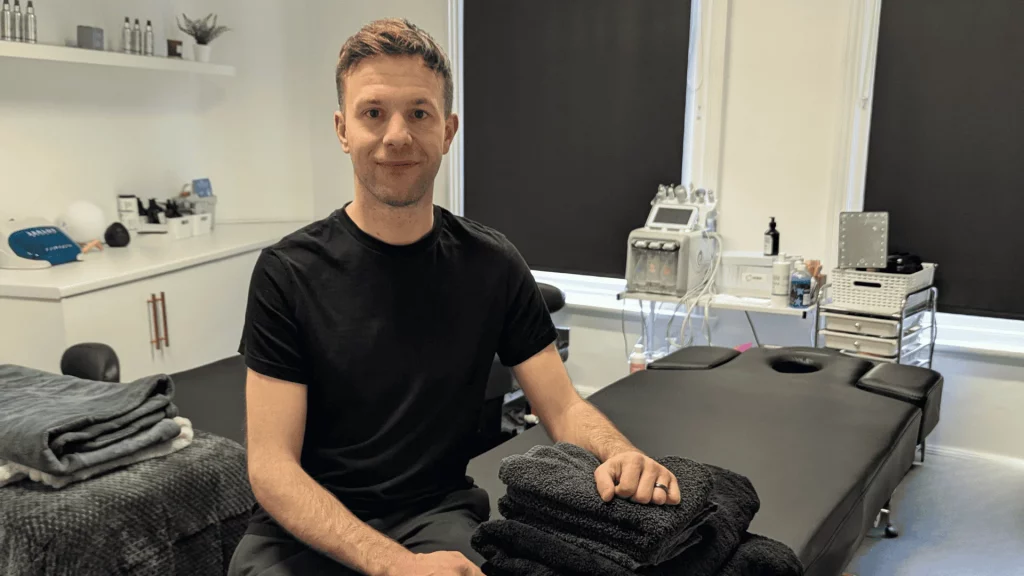
All sports and training support at Centred is delivered by Zac Botham, a qualified, insured therapist and member of both the Federation of Holistic Therapists (FHT) and the Sports Massage Association (SMA).
Zac holds an ITEC Diploma in Massage and an ActiveIQ Diploma in Sports Massage, providing the clinical foundation for effective treatment. But qualifications are only part of what makes a good sports massage therapist.
Before training in bodywork, Zac spent years in demanding corporate roles, experiencing firsthand how physical demands and recovery interact. He understands what it’s like to balance training with work and life commitments, to push through fatigue, and to manage the physical toll of sustained effort.
This practical experience shapes how he works with clients. Whether you’re a competitive athlete preparing for a specific event or someone fitting training around a busy life, you’ll find a therapist who understands the context of your training and can tailor treatment accordingly.
With a calm, evidence-informed approach, treatments are shaped around your sport, your goals, and how your body feels on the day.
Sports massage for athletes in Hull and East Yorkshire
Centred is based in Hessle, just outside Hull and has easy access from across East Yorkshire, including Beverley, Cottingham, Anlaby, Willerby, and surrounding areas.
Session lengths: 60 and 90-minute appointments are available. Shorter sessions work well for targeted maintenance on specific areas. Longer sessions allow for comprehensive treatment or addressing multiple areas.
Evening and weekend appointments: Available for those who can’t get away during the working day.
Making massage part of your training regime
The most effective way to use sports massage is as a regular component of your training support, not just something you turn to when something hurts.
Consider building massage into your training plan:
- During base training phases: Maintenance work every 2-4 weeks to keep tissues healthy and address developing tensions.
- During heavy training blocks: More frequent treatment to manage accumulating fatigue.
- Pre-competition: Lighter, activating work in the days leading up to an event.
- Post-competition: Restorative work to support recovery and transition back to training.
- During injury recovery: As part of a broader rehabilitation approach, in coordination with other healthcare providers as appropriate.
The specific frequency and focus will depend on your training volume, goals, and individual needs. This is something we can discuss and adjust over time as we learn how your body responds to treatment.
Specialising in sports massage for athletes in Hull...
I’m Zac, Co-founder & Massage Therapist here at Centred. I work with clients participating in a range of sports, both recreationally and professionally.
Category: Physical Health