Deep tissue massage and sports massage are two of the most commonly requested treatments, yet many people are unsure which one suits …

If you have ever searched for massage therapy, you will likely have encountered both deep tissue massage and sports massage as options. The terms are sometimes used interchangeably, and the overlap between them can create confusion. Both involve working into the deeper layers of muscle tissue, and both can address muscular pain and tension. However, they serve distinct purposes and draw on different traditions within massage therapy.
In a rush? Here’s our summary…
Deep tissue vs sports massage? Deep tissue massage and sports massage are two of the most commonly requested treatments, yet many people are unsure which one suits their needs. Both involve firm pressure and target deeper muscle layers, but they differ in purpose, technique, and application. Deep tissue massage focuses on releasing chronic tension and adhesions throughout the body, while sports massage is tailored to the demands of physical activity, whether you are training for an event, recovering from exercise, or managing a sport-related issue. In this guide, we explain the evidence behind each approach, outline the techniques involved, and help you decide which treatment is right for you.
Deep tissue vs. sports massage: understanding the basics...
Deep tissue massage is a therapeutic technique that targets the deeper layers of muscle and connective tissue. It is designed to address chronic muscular tension, release adhesions (commonly known as knots), and improve range of motion. The approach is methodical, working layer by layer through the tissue to create lasting change. According to researchers writing in The Journal of Manual Therapy, deep tissue massage should be understood as a specific method that involves working with tissue across different layers to relax, lengthen, and release holding patterns.
Sports massage, by contrast, is an umbrella term for massage therapy techniques applied specifically to athletes and physically active individuals. It encompasses pre-event preparation, post-event recovery, maintenance during training, and rehabilitation following injury. While sports massage may include deep tissue techniques, its defining feature is its adaptation to the demands of sport and exercise. The techniques, timing, and focus areas are all determined by the individual’s activity level and goals.
Understanding these distinctions matters because choosing the right massage treatment can affect the outcome you experience. This guide draws on current research to explain what each approach involves, what the evidence says about their effects, and how to determine which one aligns with your needs.
What is deep tissue massage?
Deep tissue massage is a form of manual therapy that applies sustained pressure to reach the inner layers of muscle and fascia. Unlike relaxation massage, which primarily addresses surface tension, deep tissue work is designed to create structural change in the soft tissues. This makes it particularly suitable for chronic muscular issues that have built up over time.
Core techniques
Deep tissue massage employs several key techniques, often adapted from Swedish massage but applied with greater pressure and slower movements:
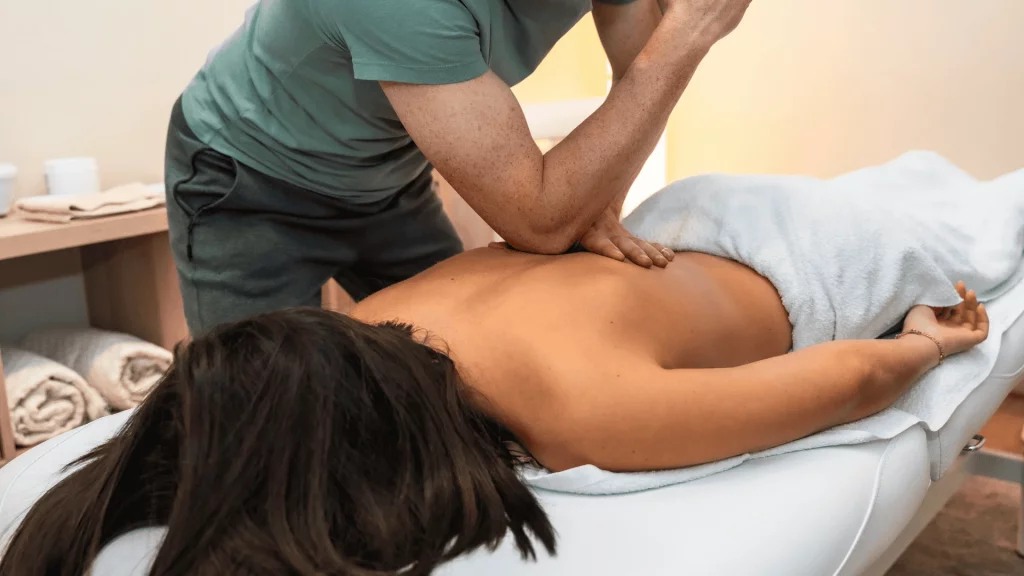
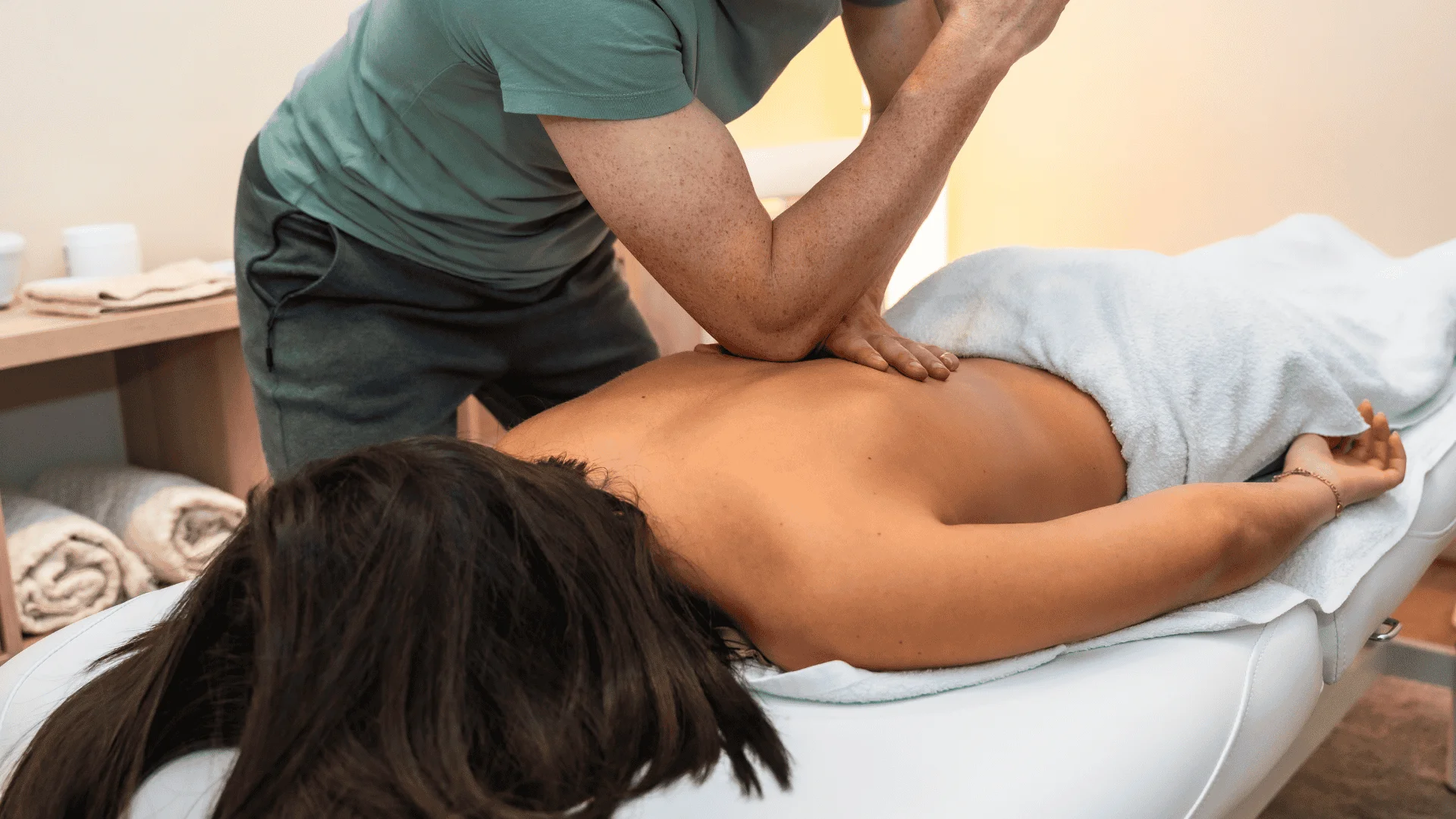
Stripping: Deep, gliding pressure along the length of muscle fibres using the thumbs, knuckles, or forearms. This technique follows the muscle’s direction and is designed to release tension and lengthen contracted tissue.
Friction: Pressure applied across the muscle fibres, often using the fingertips or thumbs. Cross-fibre friction is used to break down adhesions and scar tissue, helping to restore normal tissue function.
Trigger point therapy: Direct, sustained pressure on specific points of tension within a muscle. Trigger points are hyperirritable spots that can refer pain to other areas of the body. Releasing them can reduce both local and referred discomfort.
The massage therapist typically works progressively through the tissue layers, beginning with lighter strokes to warm the muscles before applying deeper pressure. This layered approach allows the muscles to relax gradually, reducing discomfort and improving treatment effectiveness.
What the research says about deep tissue massage
A substantial body of research supports the use of massage therapy for pain management. A systematic review and meta-analysis published in Pain Medicine, which examined 67 randomised controlled trials, found that massage therapy effectively treats pain compared to sham treatment, no treatment, and active comparators. The review noted that massage produced statistically significant improvements in pain intensity across musculoskeletal conditions.
For chronic conditions specifically, research has demonstrated benefits for low back pain, neck pain, and shoulder pain. A randomised controlled trial involving 619 adults with persistent neck pain found that deep tissue massage led to higher short-term improvement in pain intensity than advice alone. Participants who received a massage also reported higher perceived recovery at multiple follow-up points. You can read more in our post about massage for fibromyalgia.
It is worth noting that while the short-term benefits of deep tissue massage are well supported, the evidence for long-term effects is less conclusive. Many studies show that benefits are most pronounced in the weeks immediately following treatment, suggesting that ongoing maintenance may be necessary for sustained results.
What is sports massage?
Sports massage is a specialised form of massage therapy designed to meet the needs of physically active individuals and athletes. Unlike deep tissue massage, which is defined primarily by its technique, sports massage is defined by its purpose and context. It adapts its methods to support athletic performance, prevent injury, and aid recovery.
The practice of sports massage has roots in athletic training traditions dating back to ancient Greece and Rome. However, its modern development can be traced to the Soviet sports programmes of the 1960s, when massage therapists first began travelling with teams and working systematically with athletes. Today, sports massage is a standard component of athletic support across professional and amateur sports.
The four types of sports massage
Sports massage is typically categorised into four distinct applications, each serving a different function:
Pre-event massage: Performed in the hours or minutes before competition or training. The goal is to prepare the muscles for activity by increasing circulation, reducing tension, and promoting mental readiness. Pre-event massage uses faster, lighter strokes (such as effleurage and tapotement) rather than deep work, as deeper techniques could leave muscles sore or fatigued.
Post-event massage: Applied following competition or intense training to support recovery. The techniques are generally gentler and slower than pre-event work, focusing on flushing metabolic waste from the muscles, reducing swelling, and beginning the recovery process. Post-event massage is typically brief, lasting 10 to 20 minutes.
Maintenance massage: Regular treatment during training periods to keep the body in optimal condition. Maintenance massage allows the therapist to identify areas of tightness or developing issues before they become injuries. This type of sports massage may include deeper work and is often scheduled weekly or fortnightly during training blocks.
Rehabilitation massage: Applied during recovery from injury to support tissue healing, reduce scar tissue formation, and restore function. Rehabilitation massage is typically integrated with other treatments such as physiotherapy or strength work.
What the research says about sports massage
The largest systematic review and meta-analysis of sports massage, published in BMJ Open Sport and Exercise Medicine, examined 29 randomised controlled trials involving 1,012 participants. The researchers found no evidence that massage improves measures of strength, jump performance, sprint speed, endurance, or fatigue. However, massage was associated with statistically significant improvements in flexibility and delayed onset muscle soreness (DOMS).
The effect on DOMS is particularly well supported. A separate meta-analysis published in Frontiers in Physiology found that massage significantly reduced muscle soreness ratings at 24, 48, and 72 hours post-exercise compared with no intervention. The same review found that massage improved muscle force and reduced creatine kinase levels, a marker of muscle damage.
A comprehensive review of recovery techniques published in Frontiers in Physiology compared multiple interventions and concluded that massage was the most effective method for reducing DOMS and perceived fatigue after exercise. This suggests that while sports massage may not directly enhance athletic performance, it plays a valuable role in the recovery process.
Key differences between deep tissue and sports massage
Purpose and focus
Deep tissue massage is primarily therapeutic, designed to address chronic tension, adhesions, and postural issues that have developed over time. It treats the body as a whole, working systematically through areas of restriction regardless of physical activity level.
Sports massage is performance-oriented, adapted to the specific demands of an individual’s sport or activity. The focus areas, timing, and techniques are determined by training schedules, competition dates, and the muscle groups most involved in the activity.
Timing and context
Deep tissue massage can be received at any time and is often scheduled when chronic issues become bothersome or as part of regular self-care. There are no particular timing considerations related to physical activity.
Sports massage is timed strategically around training and competition. Pre-event massage occurs hours or minutes before the activity, post-event massage within hours after, and maintenance massage during recovery periods. The timing affects both the techniques used and the depth of work applied.
Technique and pressure
Deep tissue massage is characterised by slow, sustained pressure that works progressively into the deeper tissue layers. The pace is deliberate, allowing the muscles to release gradually. Sessions typically involve consistent deep pressure throughout.
Sports massage varies its techniques and pressure according to the application. Pre-event massage uses lighter, faster strokes to stimulate without fatiguing. Post-event massage is gentler, focused on recovery. Maintenance and rehabilitation sessions may include deep tissue techniques but are adapted to the athlete’s current training phase and any specific issues.
Which type of massage is best suited to whom
Deep tissue massage is suitable for anyone experiencing chronic muscle tension, persistent aches, or restricted movement, regardless of physical activity level. It is often sought by people with desk-based jobs, those recovering from injury, or anyone with long-standing postural issues.
Sports massage is designed for physically active individuals, from recreational exercisers to competitive athletes. It is particularly beneficial for those training for events, recovering from intense exercise, or managing the physical demands of regular sport.
Deep tissue vs sports massage: which is right for you?
The choice between deep tissue and sports massage depends on your circumstances, goals, and what you are hoping to achieve from treatment.
Here are some considerations to help guide your decision:
Choose deep tissue massage if you: have chronic tension or pain that has built up over time; experience stiffness or restricted movement unrelated to sport; carry tension from prolonged sitting, repetitive tasks, or stress; want to address long-standing postural issues; or are looking for therapeutic relief from muscular discomfort without specific athletic goals.
Choose sports massage if you: are training for an event or competition; experience muscle soreness, tightness, or fatigue related to exercise; want to reduce recovery time between training sessions; are returning to activity after a break or injury; or participate regularly in sport or physical activity and want to maintain your body in good condition.
In practice, many people benefit from elements of both approaches. If you are physically active but also carry chronic tension from work or daily life, a skilled massage therapist can combine techniques to address both concerns. The key is communicating your goals clearly so the treatment can be tailored to your needs.
What to expect during treatment
Regardless of the type of massage you choose, your first appointment typically begins with a consultation. Your massage therapist will ask about your health history, any current issues or concerns, your activity level, and what you hope to achieve. This information helps guide the treatment and ensures it is safe and appropriate for you.
During a deep tissue massage, you can expect firm, sustained pressure. The therapist will work methodically through the tissue layers, and you may feel some discomfort in areas of significant tension. However, the pressure should remain within your tolerance. Good communication with your therapist is important; let them know if the pressure is too high or too low.
Sports massage varies by type. Pre-event massage is typically brief, focused, and invigorating rather than relaxing. Post-event massage is also relatively short, with gentler techniques aimed at recovery. Maintenance sessions are longer (usually 60 to 90 minutes) and may include deeper work similar to deep tissue massage.
After either type of massage, it is normal to feel some tenderness in the treated areas for a day or two. Staying hydrated and allowing your body time to respond to the treatment will support the best outcome. Many people notice improved movement and reduced tension within a few days.
How we can help at Centred
At Centred, we offer both deep tissue massage and sports massage as part of our massage therapy in Hull. Our approach follows person-centred massage, meaning we tailor each treatment to your individual needs rather than applying a one-size-fits-all approach.
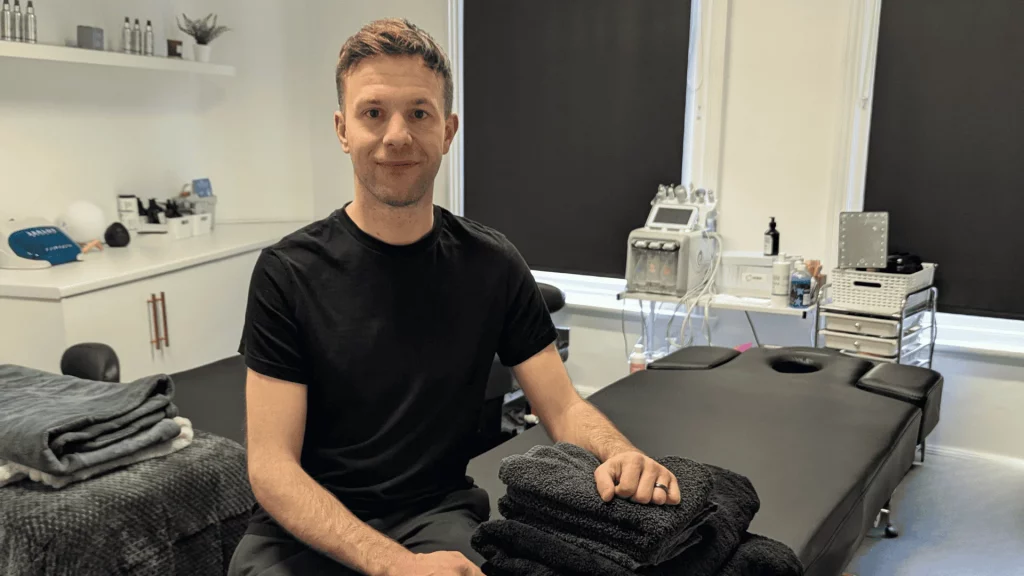
Our massage therapist, Zac Botham, is an ITEC-qualified and FHT-registered Massage Therapist, an ActiveIQ Sports Massage Practitioner, and a member of the Sports Massage Association. Zac brings a background in both therapeutic massage and sports-specific work, allowing him to adapt his approach whether you are seeking relief from chronic tension or support for your training and recovery.
If you are unsure which treatment is right for you, we can discuss your needs and recommend the most suitable approach. There is no obligation to book, and we are happy to answer any questions you may have.
Frequently asked questions
Is deep tissue massage painful?
Deep tissue massage involves firm pressure, and you may experience some discomfort in areas of significant tension. However, it should not be painful enough to make you tense up or hold your breath. A good therapist will work within your tolerance and adjust pressure based on your feedback. Any post-treatment tenderness typically resolves within a day or two.
Can I have a sports massage if I am not an athlete?
Sports massage is not just for elite athletes. If you exercise regularly, participate in recreational sports, or have a physically demanding job, you may benefit from sports massage techniques. The treatment is adapted to your level of activity and your specific needs.
How often should I have massage therapy?
The frequency depends on your goals and circumstances. For chronic issues, an initial course of weekly sessions may be helpful, followed by less frequent maintenance. For athletes in training, weekly or fortnightly maintenance massage is common during intensive periods. Your therapist can recommend a schedule based on your individual needs.
Will massage help with delayed onset muscle soreness (DOMS)?
Research supports massage as an effective intervention for reducing DOMS. Studies have found that massage significantly reduces muscle soreness ratings at 24, 48, and 72 hours after exercise. If you regularly experience DOMS following training, post-exercise massage may help you recover more comfortably.
What should I wear to a massage appointment?
You will typically undress to your level of comfort and be covered with towels throughout the treatment, with only the area being worked on exposed. Wear whatever is comfortable for you to arrive in. For sports massage, some people prefer to wear shorts or sports clothing if the focus is on the legs.
Can massage help with stress and anxiety?
Research indicates that massage therapy can reduce anxiety and promote relaxation. While the physiological mechanisms are still being studied, multiple reviews have found that massage leads to reductions in self-reported anxiety and improvements in mood. Both deep tissue and relaxation-focused massage may offer these benefits.
How do I know if I need deep tissue or sports massage?
Consider the source of your discomfort or goals. If your tension is related to exercise, training, or sport, sports massage is likely the better fit. If your issues are more chronic and unrelated to physical activity, perhaps from desk work, stress, or long-standing postural habits, deep tissue massage may be more appropriate. If you are unsure, a consultation with a qualified therapist can help clarify the best approach.
References
C; Crawford, B. (2016). The Impact of Massage Therapy on Function in Pain Populations-A Systematic Review and Meta-Analysis of Randomized Controlled Trials: Part III, Surgical Pain Populations. Pain medicine (Malden, Mass.), [online] 17(9). doi:10.1093/pm/pnw101.
Dakić, M., Toskić, L., Ilić, V., Đurić, S., Dopsaj, M. and Šimenko, J. (2023). The Effects of Massage Therapy on Sport and Exercise Performance: A Systematic Review. Sports, [online] 11(6), p.110. doi:10.3390/sports11060110.
Davis, H.L., Alabed, S. and James, T. (2020). Effect of sports massage on performance and recovery: a systematic review and meta-analysis. BMJ Open Sport & Exercise Medicine, [online] 6(1). doi:10.1136/bmjsem-2019-000614.
Dupuy, O., Douzi, W., Theurot, D., Bosquet, L. and Dugué, B. (2018). An Evidence-Based Approach for Choosing Post-exercise Recovery Techniques to Reduce Markers of Muscle Damage, Soreness, Fatigue, and Inflammation: A Systematic Review With Meta-Analysis. Frontiers in Physiology, [online] 9. doi:10.3389/fphys.2018.00403.
FIELD, T., HERNANDEZ-REIF, M., DIEGO, M., SCHANBERG, S. and KUHN, C. (2005). CORTISOL DECREASES AND SEROTONIN AND DOPAMINE INCREASE FOLLOWING MASSAGE THERAPY. International Journal of Neuroscience, [online] 115(10), pp.1397–1413. doi:10.1080/00207450590956459.
Guo (2017). Massage Alleviates Delayed Onset Muscle Soreness after Strenuous Exercise: A Systematic Review and Meta-Analysis. Frontiers in physiology, [online] 8. doi:10.3389/fphys.2017.00747.
Kumar (2026). The effectiveness of massage therapy for the treatment of nonspecific low back pain: a systematic review of systematic reviews. International journal of general medicine, [online] 6. doi:10.2147/IJGM.S50243.
Li, Q., Liu, J., Dai, F. and Dai, F. (2014) ‘Massage therapy for fibromyalgia: A systematic review and meta-analysis of randomized controlled trials’, PLoS ONE, 9(2), p. e89304. DOI: doi.org/10.2147/ijgm.s50243.
Moyer, C.A., Rounds, J. and Hannum, J.W. (2004). A Meta-Analysis of Massage Therapy Research. Psychological Bulletin, [online] 130(1), pp.3–18. doi:10.1037/0033-2909.130.1.3.
Poppendieck, W., Wegmann, M., Ferrauti, A., Kellmann, M., Pfeiffer, M. and Meyer, T. (2016). Massage and Performance Recovery: A Meta-Analytical Review. Sports Medicine, [online] 46(2), pp.183–204. doi:10.1007/s40279-015-0420-x.
Moraska, A., Pollini, R.A., Boulanger, K., Brooks, M.Z. and Teitlebaum, L. (2008). Physiological Adjustments to Stress Measures Following Massage Therapy: A Review of the Literature. Evidence-Based Complementary and Alternative Medicine, [online] 7(4), pp.409–418. doi:10.1093/ecam/nen029.
Skillgate, E., Pico-Espinosa, O.J., Côté, P., Jensen, I., Viklund, P., Bottai, M. and Holm, L.W. (2020). Effectiveness of deep tissue massage therapy, and supervised strengthening and stretching exercises for subacute or persistent disabling neck pain. The Stockholm Neck (STONE) randomized controlled trial. Musculoskeletal Science and Practice, [online] 45, p.102070. doi:10.1016/j.msksp.2019.102070.
Weerapong, P., Hume, P.A. and Kolt, G.S. (2005). The Mechanisms of Massage and Effects on Performance, Muscle Recovery and Injury Prevention. Sports Medicine, [online] 35(3), pp.235–256. doi:10.2165/00007256-200535030-00004.
Category: Physical Health