A trauma-informed approach in massage therapy involves understanding, recognising, and responding to the effects of trauma. It emphasises physical, emotional, and psychological …

If you’re reading this, you may be wondering whether massage is right for you. Perhaps past experiences have made touch feel complicated. Perhaps you’ve had a difficult time in healthcare or clinical settings. Perhaps you simply want to know that your boundaries will be respected before you book.
This page is for you.
Trauma-informed massage is more than a technique. It’s a way of working that prioritises psychological safety, informed consent, and your autonomy at every stage. At Centred, we provide trauma-informed bodywork and trauma-informed massage in Hull, and this approach is at the heart of everything we do.
What trauma-informed massage actually means
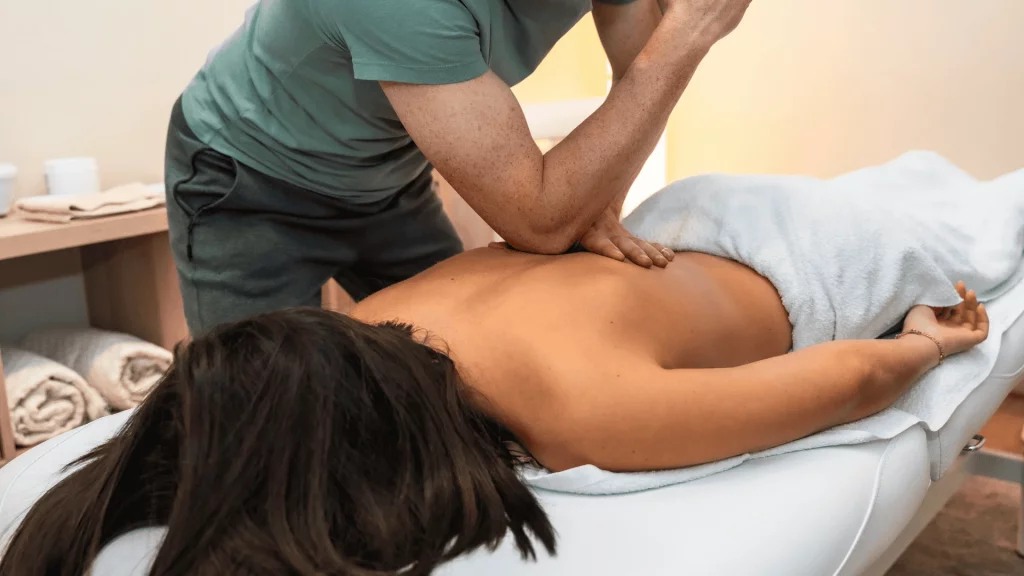
A trauma-informed approach in massage therapy involves understanding, recognising, and responding to the effects of trauma. It emphasises physical, emotional, and psychological safety, and creates opportunities for you to feel in control throughout your session.
This doesn’t turn massage into psychotherapy. Instead, it acknowledges that massage has psychological effects whether we intend it or not. Trauma-informed practice ensures those effects are handled with care, clarity, and professionalism.
Although we’re based in the UK, we take our guidance from established research and recommendations from The Substance Abuse and Mental Health Services Administration (SAMHSA), which identifies six core principles of a trauma-informed approach:
Safety. Ensuring the environment, communication, and treatment feel predictable and secure. This includes physical, psychological, and emotional safety.
Trustworthiness and transparency. Nothing is assumed. Everything is explained. You know what will happen before it happens, and we make sure to overcommunicate at every opportunity.
Peer support. Recognising that healing often happens through connection and understanding.
Collaboration and mutuality. The therapist works with you, not on you. Treatment decisions are shared.
Empowerment, voice and choice. You are supported to notice, name, and honour your own boundaries. Your preferences guide the session.
Cultural, historical and gender awareness. Recognising that trauma affects people differently based on their individual experiences and background.
When these principles are applied to massage, the result is a session that feels genuinely safe rather than just technically competent.
Why trauma-informed care matters in massage
Trauma is far more common than many people realise.
Research suggests that over 70% of people worldwide report experiencing a traumatic event at some point in their lives. In the UK, studies indicate that around half of adults have experienced at least one adverse childhood experience, and research published in The Lancet Psychiatry found that 31% of young people in England and Wales experienced trauma by age 18, with nearly 8% developing PTSD.
These figures don’t include the many other experiences that can shape someone’s relationship with touch: medical procedures, difficult healthcare encounters, accidents, grief, chronic illness, or simply not having had positive experiences of safe, consensual physical contact.
Because massage involves touch, closeness, and a degree of vulnerability, it can evoke emotional responses, sometimes unexpectedly. A trauma-informed massage therapist understands this and works in a way that minimises the risk of triggering distress while maximising the potential for massage to be a genuinely positive experience.
What the research shows about trauma-informed massage
Evidence supports the value of trauma-informed approaches to bodywork.
One systematic review found that massage therapy can provide relief from physical, emotional, and mental stress, and decrease levels of depression, anxiety, irritability, and other symptoms associated with trauma exposure. Research has also shown that massage therapy has been found to help clients with PTSD-related dissociation to be more in touch with how certain emotions manifest in physical sensation, and experience comfort and safety in their bodies.
The physiological effects are significant too. Massage therapy has been shown to decrease cortisol levels while increasing hormones (serotonin and dopamine) associated with elevated mood. For people living with the effects of trauma, who often experience chronic hyperarousal and elevated stress hormones, this shift toward a calmer physiological state can be meaningful.
A case study published in the International Journal of Therapeutic Massage and Bodywork noted that a trauma-informed approach is essential when providing massage for those with post-traumatic stress and touch aversion. The study found that through a therapeutic relationship with the massage therapist, the patient has been able to experience touch on her own terms, become more involved in her care, and feel less anxiety and distress.
Research also highlights the psychological benefits. Studies show that massage therapy can support wellbeing by helping regulate the nervous system, improving body awareness, supporting a sense of grounding and presence, and offering safe, consensual, non-clinical touch.
Importantly, the research details how massage is delivered as much as the techniques used. The core principles of a trauma-informed approach are identified as safety, trustworthiness and transparency, peer support, collaboration and mutuality, empowerment, voice and choice, and cultural, historical, and gender awareness. These principles guide how the session is structured, not just what happens during it.
How trauma-informed massage supports wellbeing
While massage is not a psychological intervention and doesn’t treat trauma directly, it can support wellbeing in several ways:
Nervous system regulation. For people who live in a state of heightened alertness, massage can help shift the body toward a calmer state. This relaxation can enable traumatised people to let go of their fight or flight stress response and attain a calmer state of being.
Body awareness and reconnection. Trauma can disconnect people from their bodies. Massage offers a way to gradually reconnect with physical sensation in a safe, controlled environment.
Safe, consensual touch. For those who have experienced touch that was harmful, unwanted, or out of their control, experiencing touch that is safe, boundaried, and genuinely consensual can be meaningful.
Grounding and presence. Massage can help anchor you in the present moment, which can be valuable if you tend toward dissociation or hypervigilance.
Reduced physical tension. Trauma often manifests physically. Chronic muscle tension, pain, and restricted movement can all be addressed through skilled bodywork.
When delivered with trauma-informed principles, massage becomes a space where you can reconnect with your body at your own pace, without pressure, expectation, or assumptions.
What a trauma-informed massage in Hull looks like at Centred
At Centred, trauma-informed practice is woven into every aspect of the experience:
Before the session
You’re welcomed with clarity, not ambiguity. The consultation covers what you want from the session, any areas you’d prefer to avoid, and how you’d like to communicate during the treatment. You’re invited to share only what feels comfortable. There’s no pressure to disclose anything about your history.
Setting up
You choose your level of undress and how you’re draped. Clear guidance is given, but the decisions are yours. If you’d prefer to remain more clothed, the treatment adapts. Your comfort takes priority.
During the treatment
Techniques are explained before they’re used. You won’t be surprised by sudden changes in pressure or approach. Check-ins happen naturally throughout the session. You can pause, stop, or adjust the session at any time. Your boundaries are respected without question.
Communication
You’re encouraged to speak up if something doesn’t feel right, but you’re not pressured to give constant feedback. Silence is fine. Questions are welcome. The session works around your preferences, not the other way around.
After the session
You’re given time to reorient before leaving. Simple aftercare guidance is offered. There’s no rush, no pressure to book again immediately, and no assumption about what you need next.
This approach isn’t about treating you as fragile. It’s about treating you as someone whose experience and autonomy matter, and creating conditions where your body can relax without fear, pressure, or uncertainty.
Who benefits from trauma-informed massage?
Trauma-informed massage isn’t only for people with a diagnosed condition or a specific traumatic history. It’s beneficial for anyone who:
- Has had difficult experiences with touch in the past.
- Feels anxious or uncertain about receiving a massage.
- Has experienced medical trauma or difficult healthcare encounters.
- Prefers a more collaborative, communicative approach to treatment.
- Wants to feel genuinely in control throughout the session.
- Has experienced domestic abuse, assault, or other interpersonal trauma.
- Lives with anxiety, PTSD, or complex trauma.
- Simply prefers extra care around boundaries and consent.
Many people find that trauma-informed massage feels lighter, safer, and more predictable than other approaches, which is exactly what allows the body to relax.
A note on the scope of trauma-informed massage therapy
Massage therapists are not trauma therapists. At Centred, we’re clear about this distinction.
Trauma-informed massage can complement psychological support, but it doesn’t replace it. If you’re working with a therapist, counsellor, or other mental health professional on trauma-related issues, massage can be a valuable addition to your support. But it’s one component, not a standalone treatment.
What we offer is bodywork delivered with awareness, care, and respect for your experience. We don’t process trauma in sessions, and we don’t encourage emotional disclosure beyond what’s comfortable for you. Our role is to provide safe, skilled massage that supports your physical and emotional wellbeing.
If you’re not currently receiving psychological support but feel you might benefit from it, we can discuss options. Ben, Centred’s co-founder, is a UKCP-registered psychotherapist, and the practice offers an integrated approach to mental and physical wellbeing.
Qualifications and accountability
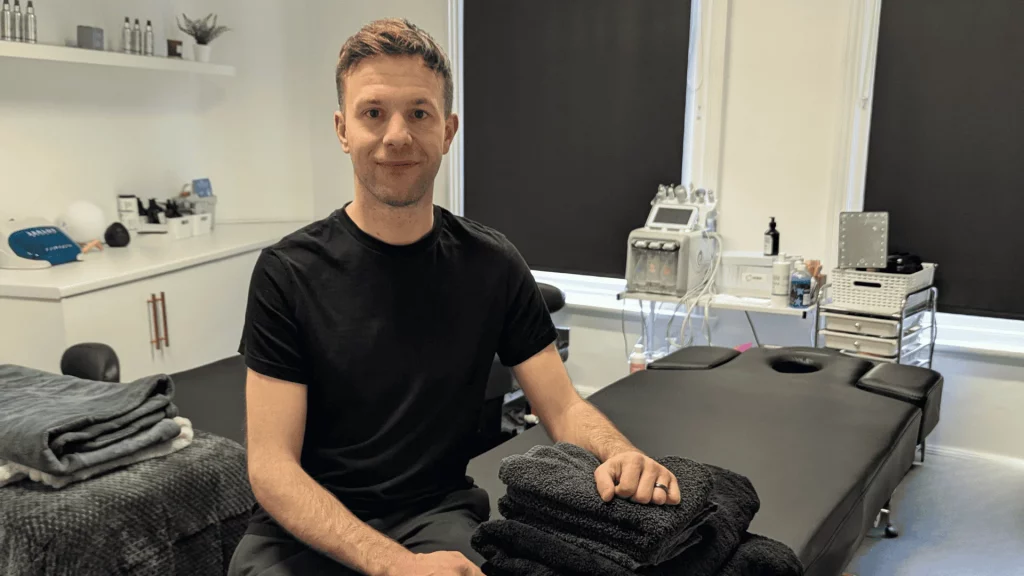
All massage and bodywork at Centred is delivered by Zac, a qualified and fully insured therapist registered with the Federation of Holistic Therapists (FHT) and a member of the Sports Massage Association (SMA). If you’re interested, we’ve already written a post about why it’s important to choose a qualified massage therapist.
These professional registrations matter for several reasons:
Verified qualifications. FHT membership requires independently verified qualifications. Zac holds an ITEC Diploma in Massage and an ActiveIQ Diploma in Sports Massage.
Professional insurance. Full professional indemnity and public liability insurance is in place.
Ethical framework. Both FHT and SMA require adherence to professional codes of conduct, including around consent, boundaries, and appropriate practice.
Ongoing education. Professional registration requires continuing professional development to ensure skills and knowledge remain current.
Accountability. Registration provides a formal complaints process if standards aren’t met. This accountability protects you.
For anyone seeking trauma-informed care, knowing that their therapist is properly qualified, insured, and accountable provides important reassurance.
Trauma-informed massage in Hull and East Yorkshire
Centred is based in Hessle, just outside Hull, and is easily accessible from across East Yorkshire, including Beverley, Cottingham, Anlaby, Willerby, and surrounding areas. We specialise in providing trauma-informed massage in Hull for clients seeking support from all walks of life.
Session lengths. 60 and 90-minute appointments are available, allowing adequate time for consultation and a pace that doesn’t feel rushed.
Evening and weekend appointments. Available for those who can’t attend during the working day.
Taking the first step
Booking your first massage when you have concerns about touch or safety can feel significant. That’s understandable.
If it would help to have a conversation before booking, you’re welcome to get in touch via our Contact Us page to ask questions or discuss your needs. There’s no obligation to book, and no judgment about what you’re looking for.
If you prefer to book directly, that’s fine too. The consultation at the start of your appointment provides space to discuss anything relevant before the treatment begins.
Your body, your pace, your terms.
Ready to experience trauma-informed massage?
Zac offers Swedish massage, sports massage, deep tissue massage and the Centred Bodywork Method at our Hessle practice, serving Hull and East Yorkshire. Evening and weekend appointments are available.
Book your trauma-informed massage, feel better today!
I’m Zac, Co-founder & Massage Therapist here at Centred. I work with clients seeking massage for a huge number of reasons; the thing they all have in common is that they want to move forward feeling more comfortable in their own bodies.